

A sharp pain when you sip cold water or bite into ice cream can make everyday eating feel uncomfortable. Tooth sensitivity is common, and tooth sensitivity treatment usually starts with working out why your teeth are reacting in the first place.
Quick Overview
- Tooth sensitivity is a short, sharp pain that happens when the inner layer of a tooth is exposed, though the reason it becomes exposed can differ from person to person.
- It may affect people with worn enamel, receding gums, a teeth-grinding habit or recent dental procedures, and sometimes more than one factor is involved.
- Tooth sensitivity treatment can range from desensitising toothpaste to in-chair care, but what helps often depends on the underlying cause.
- The type of trigger, how long the pain lasts, and the health of your gums can all influence which approach is suitable.
- Pain that lingers or keeps coming back is usually what guides the decision to have a dental check.
Below, we explain what causes sensitive teeth, what research shows about common treatments, and how to protect your teeth at home.
At Beyond 32 Dental, we look for the root cause of sensitivity before suggesting treatment, so your plan is based on what is happening in your mouth.
How Does Tooth Sensitivity Treatment Work?
Tooth sensitivity treatment aims to protect exposed dentine, calm the nerve response or fix the problem that caused the exposure. The right option depends on your individual situation, which is why an examination usually comes first.
Your teeth have a hard protective outer layer called enamel. Underneath is dentine, a softer inner layer with tiny channels that lead to the nerve. When enamel wears away, or gums shrink back, these channels are left open. Hot, cold, sweet or acidic triggers can then reach the nerve and cause a sharp pain. This is known as dentine hypersensitivity.
Common treatments your dentist may discuss include:
- Desensitising toothpaste: Contains ingredients such as potassium nitrate or stannous fluoride. These either soothe the nerve or form a barrier over exposed surfaces. Regular use over several weeks is usually needed.
- Fluoride varnish or gel: Applied in the chair and may help strengthen tooth enamel and reduce sensitivity in the affected area.
- Dental bonding: A tooth-coloured material placed over exposed root surfaces to cover sensitive areas.
- Fillings or crowns: If decay, a broken filling or a cracked tooth is the cause, the tooth may need repair. You can read more about crowns and bridges.
- Managing gum disease: Treating periodontal disease may help reduce further gum recession.
- Root canal therapy: In less common cases where the nerve is inflamed or infected, root canal therapy may be considered.
Desensitising toothpastes will not help if tooth decay is the cause. This is one reason a dental visit matters when sensitivity does not settle.
What Does the Research Say About Tooth Sensitivity?
Tooth sensitivity is common, though estimates vary widely. A 2019 review of 77 studies placed the best estimate at around 11.5% of people, with individual studies reporting anywhere from 1.3% to 92.1%.
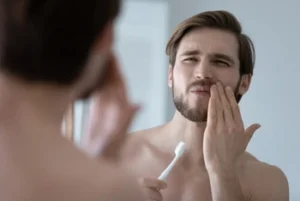 For at-home care, a 2018 review of 53 randomised controlled trials involving 4,796 patients compared desensitising toothpastes with control toothpastes. Those containing potassium, stannous fluoride, arginine or calcium sodium phosphosilicate relieved symptoms better. Toothpastes containing strontium or amorphous calcium phosphate did not show the same benefit.
A 2020 analysis comparing desensitising toothpastes found most formulas performed better than placebo or regular fluoride toothpaste. The strength of evidence varied between ingredients, so results may differ from person to person.
Gum health also plays a role. Around 3 in 10 Australian adults have moderate to severe gum disease, which can lead to receding gums and exposed tooth roots.
What Affects Tooth Sensitivity?
Common factors include:
- Enamel erosion: Regular acidic foods and drinks, such as soft drinks and citrus fruits, can wear enamel over time.
- Aggressive brushing: Pressing too hard or using a hard toothbrush may contribute to enamel wear and gum recession.
- Gum recession: Exposed tooth roots have no enamel covering, so they can react more easily to triggers. Receding gums and sensitive teeth are both signs of gum disease.
- Teeth grinding: Grinding or clenching, often during sleep, can wear teeth down and, in some cases, crack them.
- Cracked teeth: Small cracks can let triggers reach the underlying dentine.
- Tooth decay: Decay can increase sensitivity and may lead to toothache if left untreated.
- Recent dental procedures: Some sensitivity after treatment is common and usually settles within a few days to 2 weeks.
How to Care For Sensitive Teeth at Home
Good oral hygiene can help reduce sensitivity. Australian dental guidance suggests you:
- Brush twice a day with fluoride toothpaste and floss daily.
- Wait at least 60 minutes after acidic foods and drinks before brushing.
- Drink tap water, rather than sipping water with lemon throughout the day.
Using a soft-bristled toothbrush with gentle pressure may also help limit enamel wear. Spitting out toothpaste instead of rinsing may help the active ingredients stay on your teeth for longer. If you grind your teeth, a mouth guard or splint may help protect them. Your dentist may also suggest a fluoride mouthwash in some cases.
Some people try home remedies first. A warm salt water rinse may soothe irritated gums and provide temporary relief, but it does not treat exposed dentine. There is limited evidence that remedies such as coconut oil reduce tooth sensitivity, so it is worth discussing them with your dentist before relying on them.
A Considered Approach to Tooth Sensitivity Treatment
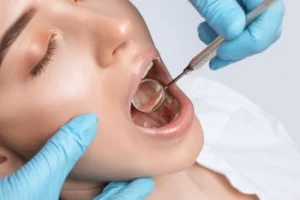 Mild tooth sensitivity sometimes eases with gentler brushing and a desensitising toothpaste. Sensitivity that lasts more than a few weeks, affects one tooth in particular or lingers after the trigger is gone may point to decay, a crack or gum problems that need assessment. Individual outcomes vary, and the most suitable option depends on your oral health and what is causing the sensitivity.
If you would like to explore which tooth sensitivity treatment may be suitable for you, we welcome you to call Beyond 32 Dental in Pennant Hills on (02) 9158 6334.
Frequently Asked Questions
How long does tooth sensitivity treatment take to work?
Desensitising toothpaste usually needs regular use over a few weeks before a change is noticed. How quickly sensitivity eases depends on the cause and your individual situation.
Why are my teeth sensitive all of a sudden?
Sudden sensitivity can follow enamel wear, a new crack, a lost filling, gum recession or a recent dental procedure such as whitening. It may also be an early sign of decay. If it continues beyond a couple of weeks, a dental check can help find the cause.
Can sensitive teeth go away on their own?
Sensitivity after dental treatment often settles within a few days to 2 weeks. Sensitivity caused by worn enamel, exposed roots or decay is less likely to ease without changes to your routine or dental care.
Is it normal for teeth to be sensitive to cold?
A brief twinge from cold that stops once the trigger is gone is typical of dentine hypersensitivity. Pain that lingers after the cold is removed may suggest decay or a problem with the nerve. A dentist can check which applies to you.
What toothpaste helps with sensitive teeth?
Toothpastes containing potassium nitrate, stannous fluoride or arginine have research support for reducing sensitivity. Choosing one that also contains fluoride helps protect against decay. Your dentist can recommend an option suited to your teeth.
References
- Australian Dental Association. Sensitive teeth. Teeth.org.au. https://teeth.org.au/sensitive-teeth
- Healthdirect Australia. Gum disease. https://www.healthdirect.gov.au/gum-disease
- Healthdirect Australia. Teeth grinding (bruxism). https://www.healthdirect.gov.au/teeth-grinding
- Favaro Zeola L, Soares PV, Cunha-Cruz J. Prevalence of dentin hypersensitivity: Systematic review and meta-analysis. J Dent. 2019;81:1-6. https://pubmed.ncbi.nlm.nih.gov/30639724/
- Hu ML, Zheng G, Zhang YD, Yan X, Li XC, Lin H. Effect of desensitizing toothpastes on dentine hypersensitivity: A systematic review and meta-analysis. J Dent. 2018;75:12-21. https://www.sciencedirect.com/science/article/abs/pii/S0300571218301295
- Martins CC, Firmino RT, Riva JJ, et al. Desensitizing Toothpastes for Dentin Hypersensitivity: A Network Meta-analysis. J Dent Res. 2020;99:514-522. https://doi.org/10.1177/0022034520903036

Recovering from a tooth extraction, whether it’s a single tooth, wisdom teeth, or part of a dental implants procedure, calls for a little extra care, Read more

If you've ever had a cavity, chances are you've also had a dental filling. Despite being one of the most common dental procedures, many people Read more

Fluoride has been praised for decades as a champion in the fight against tooth decay. But in recent years, questions have emerged. Is fluoride bad Read more

Bad breath can be embarrassing, especially when it persists despite regular brushing and flossing. If you’ve ever asked yourself, does gingivitis cause bad breath? You’re Read more
Recent Comments