

If you have ever noticed that your upper front teeth sit too far forward over your lower teeth, you might have what dentists call an overbite. While a mild overbite is quite common, a more noticeable or severe overbite can cause several problems, from jaw pain and tooth wear to issues with speech clarity and even your overall facial structure. Let’s dive into how overbite treatment works, what causes it, and how you can fix it to protect your smile for the long term.
What Exactly Is an Overbite?
In simple terms, an overbite happens when the upper or top teeth overlap the lower front teeth more than what is considered normal. A small amount of overlap is perfectly natural and even necessary for a healthy bite. However, when the upper and lower teeth do not align properly, and the upper central incisors extend too far forward, it’s known as a dental overbite.
Dentists may refer to an excessive overlap of the top teeth over the bottom teeth as a deep bite. In other cases, a skeletal overbite may be the cause, where the position of the upper jaw and lower jaw are out of balance. This can be linked to genetic factors or habits during childhood, such as thumb sucking.
Why Should You Fix an Overbite?
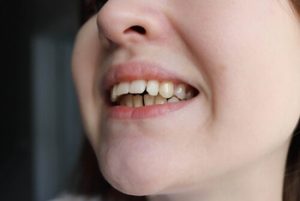 Leaving an overbite untreated can cause more than just a cosmetic issue. When the teeth overlap too much, they can experience excessive wear, leading to flattened or chipped teeth. The pressure can cause gum damage, tooth decay, and even gum disease. Over time, people with overbites may also struggle with jaw problems, including temporomandibular joint disorder (TMJ), headaches, or discomfort when chewing.
In more severe cases, the misalignment of the jaw and teeth can also affect your ability to speak clearly, chew comfortably, or maintain a proper bite. Sometimes, a deep overbite can even push the lower front teeth into the roof of the mouth, damaging the soft tissue along the gum line.
That’s why looking into overbite correction options is so important, as it not only supports a confident smile but also safeguards your oral health and helps prevent future problems.
What Causes an Overbite?
There are a few reasons why an overbite occurs. Some are linked to the size or position of the upper jaw or lower jaw, creating a skeletal overbite. Others result from the way your teeth grow in, which is referred to as a dental overbite.
Here are some of the common causes:
- Genetics, inherited jaw shapes or tooth positions
- Thumb sucking or prolonged dummy use in childhood
- Crowded teeth or crooked teeth
- A small jaw, which doesn’t give enough room for the teeth to line up
- Early loss of baby teeth, causing the permanent teeth to erupt in the wrong place
No matter the cause, modern dentistry offers a range of orthodontic treatment options to correct an overbite and restore your smile’s natural function and appearance.
How Do Dentists Treat an Overbite?
Overbite treatment depends on the severity and the underlying cause. Let’s break down the most common methods to fix an overbite and bring your bite back into proper balance.
Braces
One of the most traditional ways to correct an overbite is with braces. Braces gradually move the upper teeth and lower teeth into their correct positions, reducing the amount of overlap and creating a healthy bite. Braces are highly effective for children and teenagers because their jaws are still growing. However, adults can benefit too, with a tailored treatment plan from their dentist.
Invisalign Clear Aligners
Modern clear aligners like Invisalign offer a discreet alternative to braces. These removable, transparent trays gently guide the top teeth and bottom teeth forward into a healthier position. They are particularly popular for mild to moderate overbites, giving you flexibility without metal brackets and wires.
Tooth Extractions
In cases where there is severe crowding of the teeth, a dentist may suggest tooth extractions. This creates enough space in the mouth for the upper front teeth and lower teeth to move into alignment. Tooth extraction is usually combined with braces or aligners to finish the correction process.
Jaw Surgery
For severe overbites caused by a skeletal overbite or significantly misaligned jaws, orthodontic treatment alone may not be enough. In these situations, jaw surgery (orthognathic surgery) might be necessary. This procedure repositions the upper jaw or lower jaw so that your teeth and bite align correctly. Though surgery can sound intimidating, it is highly effective for treating complex cases.
What Happens If You Leave an Overbite Untreated?
Choosing not to treat an overbite can have long-term consequences for both your teeth and your overall health. Problems may include:
- Tooth wear and damage from improper contact
- Gum disease due to difficulties cleaning crowded areas
- Tooth decay from plaque build-up
- Jaw pain and dysfunction, including temporomandibular joint discomfort
- Worsening of speech clarity or difficulty eating
Left untreated, overbites can even change the appearance of your face, altering the proportions of your chin and lips over time.
How Long Does Overbite Treatment Take?
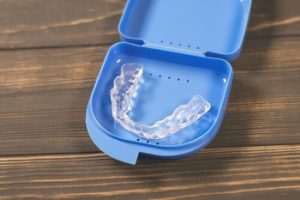 The length of overbite correction varies depending on how complex the case is. Mild overbites might take as little as 6 to 12 months with Invisalign clear aligners or braces. More serious or skeletal overbites may need a longer treatment period, sometimes over two years, especially if jaw surgery is required.
Your dentist will develop a customised treatment plan to suit your needs, ensuring your teeth move safely and predictably into their correct position.
Keeping Your Smile Healthy After Overbite Treatment
Once your overbite is corrected, it’s crucial to maintain your results. Retainers are commonly used to hold the teeth in place so they don’t shift back. Good oral hygiene and regular dental check-ups will help keep your teeth and gums in top shape.
A corrected bite supports your overall health, improving chewing, speaking, and even your confidence. And let’s face it, there’s nothing quite like a balanced, healthy smile to make you feel your best.
Final Thoughts
Overbites are a common orthodontic condition, but that doesn’t mean you have to live with the discomfort or health risks they can bring. Whether your overbite is mild or severe, today’s orthodontic treatment solutions make it easier than ever to achieve a balanced bite and a confident smile.
If you’re concerned that your upper teeth overlap your lower front teeth too much, don’t wait. Book your visit with Beyond 32 Dental at (02) 9158 6334 to check for any problems and recommend the best approach to correcting an overbite.
Together, you can create a plan that can fix overbite, protect your teeth from excessive wear, prevent gum disease, and helps you enjoy a healthier, happier future.
References
- Colgate. (n.d.). What is good oral hygiene? Colgate. https://www.colgate.com/en-us/oral-health/adult-oral-care/what-is-good-oral-hygiene
- Healthline. (n.d.). Does Invisalign work? Healthline. https://www.healthline.com/health/does-invisalign-work
- Cleveland Clinic. (n.d.). Overbite. Cleveland Clinic. https://my.clevelandclinic.org/health/diseases/21473-overbite


Recent Comments