

Keeping dentures comfortable and secure is an important part of maintaining good oral health. Over time, the shape of your gums and jaw changes due to natural bone loss, age, missing teeth, or general wear. These changes can cause dentures to loosen, rub, or create sore spots, making everyday activities like eating or speaking more difficult. This is where relining dentures becomes essential.
A denture reline reshapes the fitting surface of your existing denture to better match your gums. The result is improved stability, superior comfort, and a healthier fit that supports long-term use. If you are wondering, how much does it cost to reline dentures, this guide explains the process, the cost in Australia, denture types, reline material options, and factors that affect the final cost of relining.
Why Do Dentures Need Relining Over Time
Dentures do not stay the same forever. Even high-quality full dentures and acrylic partial dentures need adjustments as the mouth changes.
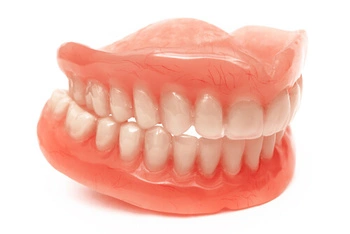 Natural Changes That Affect Denture Fit
Bone loss in the upper or lower jaw is one of the most common reasons for a loose denture. When tooth roots are no longer present, the jawbone gradually shrinks. This affects how the acrylic base sits, making your denture feel unstable.
Soft tissue changes also occur. Gums can become thinner, more sensitive, or develop sore spots where the denture presses unevenly.
Lifestyle Factors
If you have healthy, natural teeth remaining, your bite may shift slightly as those teeth change over time. This can also affect how your existing denture fits.
People who wear immediate dentures often need a reline sooner because the gums shrink rapidly during healing.
Types of Denture Relines and What They Involve
The right denture relining depends on your comfort needs, oral health, and the type of denture. Relining techniques vary depending on whether you need a gentler temporary fix or a longer-lasting solution.
Soft Denture Reline for Sensitive Gums
A soft denture reline is ideal for people with sensitive gums or those who struggle with pressure spots. Soft relines use a cushioning reline material that helps absorb movement and reduce irritation. Soft relines tend to provide superior comfort but usually require more frequent replacement.
Hard Denture Reline for Longer Lasting Results
A hard denture reline uses acrylic resin that bonds more firmly to the acrylic base. This option is more durable and creates a deeper, more precise fit. A hard reline is often recommended for people who want a longer-term solution without needing frequent adjustments.
Temporary Relines
Temporary soft relines are sometimes used when the gums are healing following extractions or denture repairs. They help stabilise the denture until the mouth settles enough for a permanent reline.
How Much Does It Cost To Reline Dentures in Australia
The denture reline cost varies depending on the type of reline, location, the dental professional involved, and the complexity of your treatment plan. In most cases, the cost in Australia reflects the materials used, the level of adjustment required, and whether you are relining a partial denture or a full denture.
Average Price Range
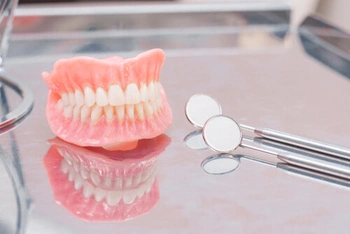 While prices differ between clinics, here is a general guide to how much denture relines cost in Australia:
- A soft denture reline usually falls in the lower range of denture reline cost because it uses softer materials and is quicker to complete.
- A hard denture reline, which provides a more precise fit, may come with a higher cost due to the use of acrylic resin and the time required for processing.
- Relining acrylic dentures or acrylic partial dentures may also vary depending on the size and structure of the denture.
Denture clinics may have higher fees if advanced equipment or additional steps are required. Costs can also increase if denture repairs are needed during the process.
Factors That Affect Pricing
Several factors contribute to how much it costs to reline dentures:
- Whether the denture is a full denture or a partial denture
- The denture type, such as acrylic dentures or immediate dentures
- The complexity of bone loss or gum changes
- The need for soft relines, hard relines, or temporary relines
- Whether the denture is for the upper or lower arch
- Additional adjustments for fit and comfort
- Regional differences, where metropolitan areas may charge higher fees
Signs You May Need a Denture Reline Soon
Relining dentures is recommended when your denture no longer feels secure or begins to cause discomfort. Some common signs include:
- Movement of the denture during eating or talking
- Sore spots or rubbing areas
- Food trapping under the denture
- Difficulty keeping the denture in place
- Changes in your bite
- Pressure on healthy natural teeth remaining
- Cracks or thinning in the acrylic base of an older denture
If you notice these issues, relining helps protect your oral health and prevents the need for more extensive denture repairs later.
Making an Informed Choice Before Booking Your Reline
 Relining is an affordable option compared to replacing an entire denture. It restores comfort, function, and stability while extending the lifespan of your existing denture. A dental professional can assess the fit, check for bone loss, evaluate the lower jaw and upper arch, and recommend the right reline material for your needs.
Costs vary depending on your location, denture types, and the treatment plan provided. Asking “how much do dentures cost?” is a common part of planning future care, and understanding this helps you compare the value of a reline versus a full replacement. Whether you need soft relines for sensitive gums or a long-lasting hard reline, relining is an important part of maintaining the health of your gums and achieving superior comfort with your dentures in Australia.
If your dentures are feeling loose or uncomfortable and you are considering a reline, you can book an assessment with Beyond 32 Dental at (02) 9158 6334 for personalised guidance and supportive care.
References
Colgate-Palmolive Company. (2023, January 9). All about relining dentures. Colgate. https://www.colgate.com/en-us/oral-health/dentures/all-about-relining-dentures
Cleveland Clinic. (2023, March 10). Dentures: Types, care & benefits. Cleveland Clinic. https://my.clevelandclinic.org/health/treatments/10900-dentures
Nall, R. (2025, October 1). Everything you need to know about partial dentures. Healthline. https://www.healthline.com/health/dental-and-oral-health/partial-denture



Want to know all about a crown vs an implant? Let us help you understand if dental crowns or dental implant procedures are suitable for Read more

Missing one or more teeth can interfere with your ability to chew, speak, and smile with ease. If you’ve been exploring ways to replace missing Read more
Recent Comments