

A broken tooth can happen suddenly, turning an ordinary day into a stressful one. Whether it is a minor chip from chewing hard foods or a severe tooth fracture from an unexpected dental injury, many people wonder the same thing: Is a broken tooth an emergency? The short answer is that it can be. The level of urgency depends on the severity of the cracked or chipped tooth, the pain you are experiencing and how quickly you can access emergency dental care.
Understanding when to seek urgent dental care helps prevent infection, reduce further damage and protect your long-term oral health. Below, you will find a clear and straightforward guide to knowing when to call an emergency dentist and what steps to take while waiting for professional care.
When Is a Broken Tooth Considered a Dental Emergency?
A broken tooth becomes a dental emergency when it threatens your oral health, comfort or ability to chew. Some situations are mild, while others need immediate attention to prevent permanent issues.
 Severe pain or intense pain
 Severe pain or intense pain
If you are experiencing severe pain or intense pain, especially when biting or exposing the affected area to temperature changes, it is likely that the crack has reached the deeper layers of the tooth where the nerves are located. This type of dental injury often requires urgent attention and may need cracked tooth treatment such as a root canal, crown or other dental treatment.
Bleeding, swelling or signs of infection
A cracked or broken tooth exposes the inner layers of the tooth and gums, allowing bacteria to enter. Infection may develop quickly, leading to swelling, throbbing pain or a lingering bad taste in your mouth. Any of these warning signs indicates a dental emergency that needs immediate intervention to prevent more serious health issues.
A knocked-out tooth
If a tooth has been knocked out, you must treat it as an urgent dental emergency. A knocked-out tooth has the most promising chance of survival when reimplanted within a short timeframe. Keeping it moist in milk or saliva while seeking emergency care can help preserve it.
Sharp or rough edges
Even a chipped tooth with no pain can cause trouble. Rough edges may irritate your gums, tongue or cheeks. Minor chips are not always emergencies, but they still require a dental appointment to prevent further damage.
What to Do Right After a Tooth Breaks
Staying calm and responding promptly can play an important role in safeguarding your oral health and reducing the risk of infection.
Gently clean your mouth.
Rinse your mouth with warm water to remove blood or debris around the affected area. This helps reduce bacteria and keeps the injured area clean.
Use a cold compress.
A cold compress or an ice pack wrapped in a soft cloth can help ease discomfort and minimise swelling when placed gently against the injured area.
Protect sharp edges
If the broken area feels sharp, covering it with sugar-free gum can help prevent cuts until you see a dentist.
Avoid chewing on the injured side.
Hard foods can worsen a cracked tooth or increase pain. Stick to softer options until you receive emergency dental treatment.
When You Should Call an Emergency Dentist
Understanding the difference between urgent care and a situation that can wait a few days helps you make the right decision.
You need emergency dental care if: 
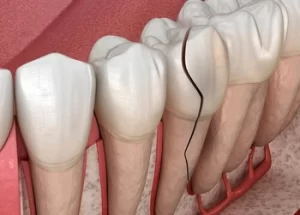
- You have severe pain or intense pain
- Your tooth fracture is deep or affecting the nerves
- The tooth is bleeding or showing signs of infection
- You have a knocked-out tooth
- There is swelling in the gums or mouth
- You cannot chew due to pain
- A large portion of the tooth is broken
In these cases, call a dental clinic for an emergency appointment immediately. The sooner you receive professional care, the better the chance of saving your tooth.
You may wait a few days for a regular appointment if:
- There is no pain
- The chipped tooth is small
- There is no exposed nerve
- There is no swelling or bleeding
Even minor issues still require dental care, but they do not always require urgent attention. Delaying too long increases the risk of further damage, so book a regular dentist visit as soon as you can.
How Dentists Treat a Broken or Cracked Tooth
Treatment varies depending on the severity of the dental injury.
For minor chips
Composite bonding or smoothing rough edges may be enough to restore comfort and protect the tooth.
For moderate cracks
A dental crown is often recommended to support a weakened tooth and improve chewing function.
For severe fractures
A deeper tooth fracture may require a root canal therapy to treat the damaged nerves, followed by a crown to strengthen the tooth.
When a tooth cannot be saved
In some cases, extraction may be the only option. Your dentist will explain replacement choices to maintain your oral health.
Why Immediate Attention Matters
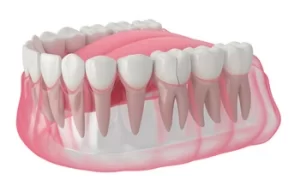 Leaving a cracked or broken tooth untreated increases the risk of:
- Infection spreading to the gums
- Pain worsening over time
- Further damage to the tooth structure
- Complications that need more complex treatment
Prompt emergency dental care protects your oral health and ensures you receive the right treatment at the right time.
Final Thoughts: When in Doubt, Get It Checked
So, is a broken tooth an emergency? It can be, and knowing the signs helps you act quickly and confidently. Whether you are dealing with minor chips or severe fractures, early assessment and the right dental care support better outcomes and help keep your smile healthy and strong. If you notice any pain, swelling, bleeding or changes in your mouth, reach out to a dentist for guidance.
If you ever find yourself unsure, it is always safer to seek urgent care instead of waiting and risking further damage. For personalised advice or urgent support, you can book an appointment with Beyond 32 Dental at (02) 9158 6334. Their team can assess your situation, provide the appropriate treatment and help you protect your oral health with confidence.
References
Mayo Clinic. (2025, September 5). Root canal treatment. Mayo Clinic. https://www.mayoclinic.org/diseases-conditions/tooth-abscess/in-depth/root-canal/art-20585454
Cleveland Clinic. (2025, May 16). Cold hard facts: What works best to ice an injury? Cleveland Clinic. https://health.clevelandclinic.org/does-it-matter-what-type-of-ice-pack-you-use-for-an-injury
NHS. (n.d.). Knocked-out tooth. NHS. https://www.nhs.uk/conditions/knocked-out-tooth/


If you've ever had a cavity, chances are you've also had a dental filling. Despite being one of the most common dental procedures, many people Read more

Fluoride has been praised for decades as a champion in the fight against tooth decay. But in recent years, questions have emerged. Is fluoride bad Read more

Bad breath can be embarrassing, especially when it persists despite regular brushing and flossing. If you’ve ever asked yourself, does gingivitis cause bad breath? You’re Read more
Recent Comments