

A decayed tooth that has fractured at the gum line can feel distressing and uncomfortable. It often happens suddenly while eating, or after weeks of tooth pain and sensitivity. This dental dilemma can affect your comfort, confidence and overall dental health, especially if left untreated. Understanding why it happens, what it means for your tooth’s structure and what steps to take next can help you make calm, informed decisions.
Below is a clear and practical guide to what happens when a decayed tooth broke off at gum line, why immediate dental attention matters and how professional dental care can help prevent further complications.
When a Tooth Breaks at the Gum Line: What Is Really Going On
As tooth decay progresses, the enamel and underlying layers gradually become weaker. Over time, everyday chewing or added pressure can be enough to cause the tooth to break.
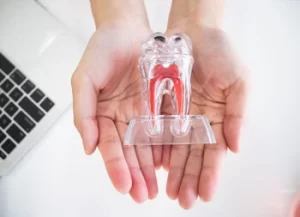 A decayed tooth that has broken off at the gum line often indicates:
- The visible part of the tooth has snapped away
- The remaining tooth structure or root remains below the gum line
- Exposed nerves or damaged or infected pulp may be present
- Sharp edges may irritate the surrounding gums
This situation is often seen in a broken molar, but it can happen to any tooth. If a tooth that has broken at the gum line is not treated, it can rapidly result in infection and persistent discomfort.
Common Reasons Teeth Break at the Gum Line
Teeth can break at the gum line for several underlying reasons, often linked to gradual weakening rather than a single sudden event. Understanding these common causes helps explain why fractures occur and highlights the importance of early dental care to protect the remaining tooth and surrounding oral structures.
Advanced Tooth Decay
Tooth decay weakens the tooth’s structure from the inside out. Over time, this makes teeth more likely to fracture, even without a major injury.
Cracked Teeth and Old Damage
Small cracks can spread gradually. Cracked teeth that are not treated may eventually result in a complete tooth fracture.
Excessive Pressure on Weakened Teeth
Grinding, clenching or biting hard foods can place excessive pressure on weakened teeth, causing molar breaks or sudden fractures.
Gum Disease and Bone Loss
Gum disease can reduce the support around the tooth root, increasing the risk of a broken tooth root or a broken root left behind.
Is a Broken Tooth at the Gum Line a Dental Emergency
In many situations, this type of damage is treated as a dental emergency. When a decayed tooth breaks at the gum line, arranging emergency dental care promptly is strongly recommended.
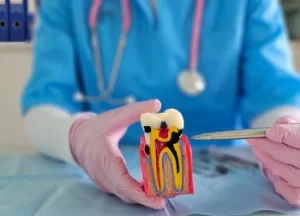 You should seek prompt dental care if you notice:
- Severe tooth pain or throbbing
- Exposed nerves or sensitivity to hot and cold
- Signs of infected pulp, such as swelling or bad taste
- Sharp edges cutting the tongue or gums
- A broken tooth root left in the gum
Prompt dental care helps prevent infection, further damage and complications affecting surrounding teeth and gums.
What to Do Immediately After the Tooth Breaks
Until you see a dental professional, taking simple steps can help protect teeth and reduce discomfort.
- Rinse your mouth gently with warm salt water to keep the area clean and help soothe irritation
- Avoid chewing on the affected side
- Stay away from sweet foods that may worsen pain
- Use a soft toothbrush and brush carefully around the gum line
- Do not attempt to remove the root remains yourself
If pain or swelling worsens, seek emergency dental care without delay.
How a Dentist Assesses a Tooth Broken at the Gum Line
A thorough examination is essential to determine appropriate treatment. A dental professional will assess:
- How much remaining tooth structure is present
- Whether the tooth root or the broken root is healthy
- Signs of damaged or infected pulp
- The health of the surrounding gums and nearby teeth
X-rays may be taken to check for a broken tooth root, remaining root fragments or infection. From there, treatment options can be discussed based on your oral health needs.
Treatment Options When a Tooth Breaks at the Gum Line
When a tooth breaks at the gum line, treatment is tailored to the condition of the remaining tooth and surrounding tissues. A careful assessment helps determine whether the tooth can be preserved or if replacement is the healthier option, allowing care to focus on comfort, function and long-term oral health.
Root Canal Therapy and Crown
If the tooth root is healthy and there is enough remaining tooth, root canal therapy may be recommended. This removes infected pulp and prevents infection.
Following root canal treatment, a dental crown is often fitted to strengthen the tooth and restore normal function. In some cases, the dentist may be able to rebuild the tooth using dental bonding before placing a crown.
Tooth Extraction and Replacement
If the remaining root is damaged or infection has spread, extraction may be necessary. A missing tooth can then be replaced with a prosthetic tooth, such as:
- A dental implant
- A fixed bridge supported by surrounding teeth
Replacing a missing tooth helps protect surrounding teeth, maintain bite balance and support long-term dental health.
Managing a Broken Root Left Behind
If a broken tooth root remains below the gum line, leaving it untreated can lead to infection and gum disease. Removing the broken root and ensuring proper healing is essential to prevent complications.
Why Prompt Treatment Matters
Leaving a tooth broken at the gum line without treatment can result in:
- Persistent tooth pain and sensitivity
- Infection spreading to the surrounding gums and underlying bone
- Damage to nearby teeth
- A higher risk of future dental emergencies
- Decline in overall oral health
Immediate dental attention reduces the risk of further damage and improves the chance of successful treatment.
Recovery and Healing After Treatment
After appropriate treatment, proper healing depends on good dental care and follow-up.
- Keep up good oral hygiene by brushing gently and flossing each day carefully
- Avoid chewing hard foods during recovery
- Attend recommended review appointments
- Follow instructions to ensure proper healing and prevent infection
Regular dental check-ups allow early detection of weakened teeth and help avoid future fractures.
How to Reduce the Risk of Tooth Fractures in the Future
Although not every dental emergency can be avoided, following simple preventive steps can help protect teeth in the long term.
Support Strong and Healthy Teeth
- Limit sugary snacks and sweet foods
- Brush twice daily and floss regularly
- Use fluoride products as recommended
Manage Excessive Pressure
- Address teeth grinding if present
- Avoid biting hard objects
- Seek advice if jaw pain or wear is noticed
Keep Up With Preventive Dental Care
Regular dental check-ups allow early treatment of tooth decay, cracked teeth and gum disease before they worsen.
Final Thoughts on a Tooth Broken at the Gum Line
 A decayed tooth that broke off at the gum line can be distressing, but timely and professional dental care makes a significant difference. Whether treatment involves root canal therapy, a dental crown or replacing a missing tooth, early action helps prevent infection and further complications.
If you experience a tooth breaking at the gum line, do not wait. Book an appointment at (02) 9158 6334 or visit our Pennant Hills dental clinic as soon as possible to receive a thorough examination and appropriate treatment. Acting quickly protects your dental health, supports healing and helps you return to comfort with confidence.
Note: Any surgical or invasive procedure carries risks. Before proceeding, you should seek a second opinion from an appropriately qualified health practitioner.
References
Colgate. (n.d.). What is good oral hygiene? https://www.colgate.com/en-us/oral-health/adult-oral-care/what-is-good-oral-hygiene
Cleveland Clinic. (n.d.). Root canal procedure. https://my.clevelandclinic.org/health/treatments/21759-root-canal
WebMD. (n.d.). Pulpitis. https://www.webmd.com/oral-health/what-is-pulpitis


If you've ever had a cavity, chances are you've also had a dental filling. Despite being one of the most common dental procedures, many people Read more

Fluoride has been praised for decades as a champion in the fight against tooth decay. But in recent years, questions have emerged. Is fluoride bad Read more

Bad breath can be embarrassing, especially when it persists despite regular brushing and flossing. If you’ve ever asked yourself, does gingivitis cause bad breath? You’re Read more
Recent Comments