

A half-broken molar tooth can be worrying, especially when the tooth hurts or has a sharp edge that irritates the mouth. Molars play an important role in chewing, so any broken or chipped tooth in this area should be assessed without delay. Whether the damage is caused by biting hard foods, teeth grinding, tooth decay or sports injuries, early treatment helps protect the natural tooth and prevents the problem from becoming more severe.
When a molar becomes cracked or broken, the tooth structure may be exposed or weakened. If left untreated, a damaged tooth can lead to infection, tooth loss or worsening pain. Recognising the causes, signs, and treatment options gives you the confidence to seek timely care and helps you protect your oral health over the long term.
Why Molar Teeth Break in the First Place
Molar teeth are designed to withstand strong chewing forces, but they can still be damaged when excessive pressure or underlying issues weaken their structure. Understanding the common causes behind a broken molar helps you recognise why these injuries occur and why early attention is so important for protecting the tooth and preventing further complications.
 Everyday Habits and Hard Foods
 Everyday Habits and Hard Foods
A fractured tooth can occur when you bite down on very hard foods, including popcorn kernels, hard candy or nuts. Molars bear most of the chewing pressure, making them more prone to chipping or breaking. Teeth grinding can also place ongoing stress on the enamel, increasing the risk of a tooth crack.
Tooth Decay and Weak Enamel
Tooth decay weakens tooth enamel, making it more likely for a cracked tooth or broken molar to occur. Large fillings may also reduce the remaining tooth’s natural strength, leaving it more vulnerable.
Injuries and Unexpected Pressure
Accidents, sports injuries, or biting down on an unexpected object can instantly chip or fracture a tooth. Even a front tooth can chip under pressure, but molars usually take the hardest impact.
What to Do Right After a Molar Breaks
A broken molar can feel alarming, especially if there is pain or sensitivity, but taking the right steps immediately can protect the tooth and reduce the risk of further damage. Simple measures at home can help keep the area safe until you are able to see a dentist for proper assessment and treatment.
Protecting the Mouth Before Treatment
When you have a half-broken molar, the first step is to focus on protecting the mouth. Rinse the area gently with warm salt water to keep it clean. If the tooth has a sharp edge, covering it with sugar-free gum can help prevent cuts to the gums and cheeks. Avoid biting on the damaged tooth and choose soft foods until you see a dentist.
If pain is present, it may indicate that the tooth pulp is exposed or irritated. Any discomfort, swelling or sensitivity with a cracked or broken molar signals the need for prompt attention.
How Dentists Repair a Half-Broken Molar Tooth
A dentist may suggest various treatments based on how much of the tooth is damaged, how deep the crack extends and the overall condition of the natural tooth.
Dental Fillings for Minor Chips
For small breaks or surface chips, dental fillings using composite resin can rebuild the shape of the tooth. This bonding material blends with the natural tooth and protects the weakened enamel.
Dental Bonding for Cosmetic and Minor Structural Repairs
Dental bonding is often suitable for a chipped or broken tooth where the damage is minimal. The dentist applies tooth coloured resin to restore the appearance and function of the tooth. This is a comfortable and conservative option for minor repairs.
 Dental Crowns for Larger Breaks
 Dental Crowns for Larger Breaks
If a broken molar has lost a large amount of its structure, placing a dental crown may be the best option. A crown surrounds the whole tooth, reinforcing it and helping prevent additional damage. This is commonly recommended when the tooth crack is too large for fillings or bonding.
Root Canal Treatment for Deep Cracks
If the crack reaches the tooth pulp, root canal treatment might be needed. This procedure removes the irritated or infected pulp to stop the infection from progressing. After the root canal is finished, a dental crown is typically added to restore strength and shield the tooth.
Tooth Extraction and Dental Implant
If a fractured tooth is too damaged to save, tooth extraction may be the only option. After extraction, a dental implant can be placed to replace the lost tooth and support long-term function. Implants help maintain tooth structure, prevent shifting in nearby teeth and provide a stable replacement.
Caring for a Broken Molar After Treatment: Good Oral Hygiene and Ongoing Prevention
After a half-broken molar tooth repair, caring for the area is essential. Brushing with fluoride toothpaste, flossing daily and attending regular dental visits support healing and long-term oral health. Avoid biting hard foods while the tooth settles, and follow the dentist’s advice on managing sensitivity.
If teeth grinding contributed to the damage, your dentist may suggest additional protective measures. Wearing a custom night guard can reduce pressure on the molars and prevent future fractures.
When to See a Dentist
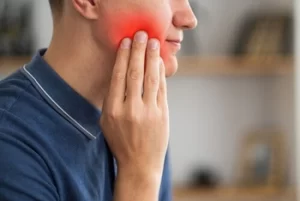 You should see a dentist as soon as possible whenever you notice a cracked or broken molar. Prompt care helps prevent infection, preserves the natural tooth and reduces the risk of more complex treatment later. Any pain, swelling, sensitivity to temperature or difficulty chewing can indicate that the damaged tooth requires immediate attention.
With the right approach, half-broken molar tooth repair can restore comfort, protect the tooth structure and help you maintain a healthy mouth for years to come.
If you suspect you have a broken molar or need guidance on suitable treatment options, contact Beyond 32 Dental at (02) 9158 6334 to book an appointment and receive personalised care from a trusted dental team.
Note: Any surgical or invasive procedure carries risks. Before proceeding, you should seek a second opinion from an appropriately qualified health practitioner.
References
American Association of Endodontists. (n.d.). Cracked teeth. Retrieved from https://www.aae.org/patients/dental-symptoms/cracked-teeth/
Cleveland Clinic. (n.d.). Root canal. Retrieved from https://my.clevelandclinic.org/health/treatments/21759-root-canal
Oral Health Foundation. (n.d.). Sugar free chewing gum. Retrieved from https://www.dentalhealth.org/sugar-free-chewing-gum


If you've ever had a cavity, chances are you've also had a dental filling. Despite being one of the most common dental procedures, many people Read more

Fluoride has been praised for decades as a champion in the fight against tooth decay. But in recent years, questions have emerged. Is fluoride bad Read more

Bad breath can be embarrassing, especially when it persists despite regular brushing and flossing. If you’ve ever asked yourself, does gingivitis cause bad breath? You’re Read more
Recent Comments