

Dental implants are commonly used to replace missing teeth. They are created to resemble and perform like natural teeth, supporting both confidence and overall oral health. While most implants heal well, it is important to understand dental implant infection signs so problems can be identified early.
A dental implant infection does not usually happen without warning. There are often early signs that something is not quite right around a dental implant. Knowing what to watch for can support early intervention and help prevent further complications.
This guide explains common signs of infection, risk factors, treatment options, and how to maintain good oral health after implant placement.
What Is a Dental Implant Infection?
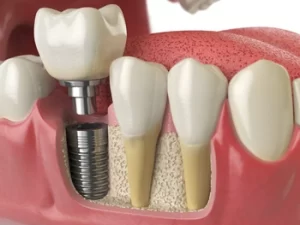
During a surgical procedure, a dental implant is inserted into the jawbone. Over time, the bone integrates with the implant surface in a healing process known as osseointegration. This creates a stable foundation for replacing missing teeth.
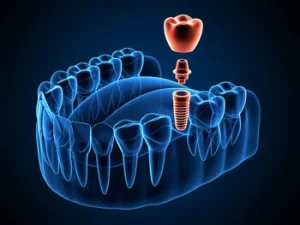 A dental implant infection occurs when bacteria build up around the implant site. This can affect the surrounding tissues, gum tissue, and even the bone structure. Infections may develop shortly after implant placement or months to years later.
Two common conditions related to implant infection are:
- Peri-implant mucositis: inflammation of the gum tissue around the implant
- Peri-implantitis: a more advanced condition involving bone loss around the implant
If left untreated, an infected dental implant can lead to implant failure.
Early Warning Signs Around a Dental Implant
Recognising early signs is key to managing infection before it becomes serious. Some early warning signs include:
- Redness or gum irritation around the implant
- Swelling of the gum tissue
- Tenderness when brushing or chewing
- Implant bleeding when touched
- An unpleasant taste in the mouth
These common signs may seem mild at first. However, they can indicate an implant infection developing around the implant.
In the early stage, the inflammation around the implant can often be reversed with good home care and professional cleaning. Acting early helps stop the problem from affecting the bone.
More Serious Signs of Infection
If infection progresses, symptoms may become more noticeable. Signs of infection in severe cases can include:
- Pus around the implant site
- Increasing pain or discomfort
- Noticeable bone loss on X-rays
- Movement of the implant
An infected implant that feels loose may indicate lost bone structure around it. This is a sign that the body’s ability to support the implant has been compromised.
In these cases, surgical intervention or implant removal may be required to treat infection and protect overall oral health.
Why Do Implant Infections Happen?
There are several risk factors linked to dental implant infection signs. Understanding them helps reduce the chance of implant failure.
Poor Oral Hygiene
Inadequate oral hygiene is a leading factor contributing to infection around a dental implant. Bacteria build up on the implant surface if proper oral hygiene is not maintained.
Gum Disease
Existing gum disease increases the risk of infection around a dental implant. If it is not treated before the implant is placed, bacteria can affect the new implant.
Uncontrolled Diabetes
Health conditions such as uncontrolled diabetes can impair healing. Reduced blood flow may slow the healing process and increase infection risk.
Poor Implant Placement
Poor implant placement or improper surgical technique can affect long-term stability. Adequate bone structure and correct positioning are essential for success.
Smoking and Reduced Blood Flow
Reduced blood flow to the surrounding tissues can impair healing. Blood flow is important for delivering nutrients and supporting the body’s ability to fight infection.
What Happens If Infection Is Left Untreated?
If an implant infection is left untreated, bacteria can spread deeper into the bone. This may result in:
- Lost bone
- Significant bone loss
- Damage to surrounding tissues
- Implant failure
In advanced situations, bone grafting may be required to rebuild the lost bone before a new implant can be considered.
Managing infection early greatly improves the chances of saving the implant.
How Are Implant Infections Treated?
Treatment options depend on how advanced the infection is.
Early Stage Treatment
 If the infection is limited to the gums and detected early, treatment may include:
- Deep cleaning around the implant
- Professional cleanings at regular dental visits
- Improved oral hygiene practices
- Antiseptic rinses
- Antibiotic therapy in some cases
This approach focuses on reducing bacteria and supporting healing.
Advanced Infection Treatment
If the infection has spread deeper and affected the supporting bone, more involved treatment may be needed. This can include:
- Flap surgery to clean the implant surface
- Removal of infected tissue
- Bone grafting to restore lost bone
- Surgical intervention to reshape bone
In more advanced situations where bone loss is significant, removing the implant may be required.
Early intervention always provides better outcomes than waiting until damage is advanced.
Preventing Infection Around the Implant
Prevention is often simpler than treatment. Following proper care guidelines helps protect the implant site.
Maintain Good Oral Hygiene
Good oral hygiene is essential. Brush twice daily, clean around the implant carefully, and attend regular dental check-ups.
Excellent oral hygiene reduces bacterial buildup and lowers infection risk.
Attend Regular Dental Visits
Regular dental visits allow early signs to be detected before they worsen. Your dentist will monitor the gum tissue, implant bleeding, and bone levels.
Manage Health Conditions
Health conditions such as uncontrolled diabetes should be managed with medical guidance. A healthy body supports better healing.
Avoid Delaying Care
If you notice early warning signs such as swelling, unpleasant taste, or gum irritation, seek professional advice. Prompt assessment helps treat infection before further complications develop.
The Importance of Proper Care After Implant Placement
The healing process following implant placement is critical. During this period, the implant integrates with the bone structure.
Following instructions after the surgical procedure helps protect the area. This includes:
- Avoiding excessive pressure on the implant site
- Maintaining proper oral hygiene
- Attending follow-up appointments
- Reporting unusual symptoms early
The goal is to support good oral health and allow the implant to function like natural teeth.
How Long After Implant Placement Can Infection Develop?
Many people assume that an infection would only happen shortly after implant surgery. While early infections can occur during the healing phase, problems may also develop months or even years later.
In the first few weeks after placement, the main concern is proper healing. The implant is bonding with the bone, and the surrounding gum tissue is recovering from the procedure. During this time, swelling, mild discomfort, and light bleeding can be normal. However, symptoms that worsen rather than improve should be checked.
Long-term infections often develop gradually. Over time, plaque and bacteria can build up around the implant if daily cleaning is not thorough. Because implants do not decay like natural teeth, some people mistakenly assume they require less care. In reality, the surrounding gums and bone remain vulnerable to inflammation.
Regular dental reviews are important even years after placement. X-rays and clinical checks allow early changes in bone levels or gum health to be identified before symptoms become obvious.
Understanding that infection can occur at any stage helps patients remain attentive to ongoing implant care, not just during the initial healing period.
Can Implant Infections Be Reversed?
 In the early stages, yes. When the problem only affects the gums, it can often improve with better home care and professional cleaning.
However, once significant bone loss has occurred, managing infection becomes more complex. Starting treatment promptly generally improves the overall outcome.
The body’s ability to fight infection depends on overall health, proper care, and timely professional support.
Final Thoughts
Dental implant infection signs can range from mild gum irritation to severe cases involving bone loss and implant failure. Although dental implants are considered a dependable option to replace missing teeth, they still need consistent care and monitoring.
Recognising early signs such as implant bleeding, swelling, unpleasant taste, or tenderness around the implant site allows early intervention. Managing infection promptly can prevent lost bone and avoid surgical intervention.
Maintaining good oral hygiene, attending regular dental check-ups, and managing health conditions all play a role in protecting your implant. With proper care and monitoring, most implants remain stable and support long-term oral health.
If you have noticed possible dental implant infection signs or would like reassurance about your healing, you can arrange a consultation with us at Beyond 32 Dental or call (02) 9158 6334 to discuss your concerns in a calm and supportive setting.
Note: Any surgical or invasive procedure carries risks. Before proceeding, you should seek a second opinion from an appropriately qualified health practitioner.
Resources
Colgate (2023). ‘What Is Good Oral Hygiene?’. Colgate, 9 January. New York, NY: Colgate-Palmolive Company. https://www.colgate.com/en-us/oral-health/adult-oral-care/what-is-good-oral-hygiene
Cleveland Clinic (2023). ‘Periodontal Disease (Gum Disease)’. Cleveland Clinic, 10 April. Cleveland, OH: Cleveland Clinic. https://my.clevelandclinic.org/health/diseases/21482-gum-periodontal-disease
Mayo Clinic Staff (2024). ‘Dental Implant Surgery’. Mayo Clinic, 23 October. Rochester, MN: Mayo Foundation for Medical Education and Research. https://www.mayoclinic.org/tests-procedures/dental-implant-surgery/about/pac-20384622




If you’re considering dental implants to restore your smile then it’s only natural to question whether the procedure will hurt, and what sort of dental Read more
Recent Comments