

Many people ask if dental fillings hurt, especially if they have not had one before. It is a common concern, and understanding the process can make it easier to approach treatment with confidence.
Dental fillings are used to manage tooth decay by restoring a damaged tooth and helping it function properly. While the idea of dental work can feel uncomfortable, most patients find the experience more manageable than expected when the procedure is explained clearly.
What Are Dental Fillings And Why Are They Needed?
Dental fillings are a standard treatment used to restore parts of a tooth affected by decay. When bacteria affect a tooth, they break down the tooth structure over time. If left untreated, this can lead to further damage or even tooth loss.
A filling restores the affected tooth by removing the decayed area and replacing it with suitable filling materials. This protects the remaining tooth structure and supports overall dental health.
Different material options are available, including composite resin, which is often used because it blends with natural teeth. The choice of dental material is based on the condition of the tooth and the planned treatment approach.
Do Dental Fillings Hurt During The Procedure?
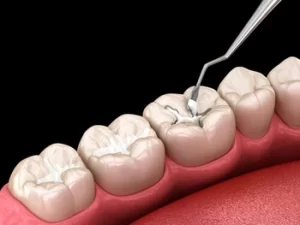 For most patients, the dental filling procedure does not involve significant pain. Before the filling procedure begins, a local anaesthetic is used to numb the area around the affected tooth. This helps reduce discomfort during treatment.
While in the dental chair, patients may notice pressure or movement as the dentist removes decay and prepares the tooth. This sensation is normal and does not usually mean pain is present.
Some people still feel slight discomfort or awareness, especially if the area is sensitive. However, the aim of using a local anaesthetic is to help you avoid intense pain during the procedure.
If at any point you feel pain or discomfort, it is important to let the dentist know so adjustments can be made.
What Happens During A Dental Filling Procedure?
Having a clear idea of each step can help reduce uncertainty.
Step 1: Preparing The Tooth
The dentist removes the area of the tooth that has been affected by decay. This step prevents further decay and prepares the area for the filling.
Step 2: Cleaning The Area
Once the decay is removed, the space is cleaned to remove bacteria and debris. This supports the healing process and helps the filling bond properly.
Step 3: Placing The Filling
The chosen filling material is then placed into the prepared area. It is shaped and adjusted to match your bite.
Step 4: Checking The Bite
The dentist ensures the bite feels correct. If needed, small adjustments are made so the filled tooth fits naturally with the surrounding teeth.
Does Pain Occur After Dental Fillings?
After the procedure, it is normal to experience mild discomfort as the tooth adjusts. This is part of the natural healing process.
Common After-Effects
- Tooth sensitivity to hot or cold foods
- Slight discomfort when biting
- A feeling that the bite feels slightly different
This sensitivity usually settles over time as the tooth adapts to the filling.
Some patients may notice increased sensitivity to cold foods or drinks.
Why Do Fillings Hurt After Treatment?
Although most dental fillings settle without issue, there are situations where fillings hurt after treatment.
Tooth Sensitivity
Tooth sensitivity is one of the most common reasons for discomfort. The tooth may react to temperature changes, especially hot or cold.
Deep Fillings
Deep fillings can affect the inner layers of the tooth. In these cases, the tooth may need more time to adjust, and sensitivity may last longer.
Bite Issues
If the bite is slightly uneven, it can create pressure when chewing. This can make the filled tooth feel uncomfortable until adjusted.
Irritation Of The Nerve
Sometimes the nerve inside the tooth can become irritated. This can lead to ongoing pain if the irritation does not settle.
When Pain May Need Attention
While mild discomfort is expected, certain signs may require professional help.
 When To Seek Professional Help
- Pain persists or becomes stronger.
- Ongoing pain that does not improve.
- Intense pain when biting or chewing.
- Sensitivity that does not reduce over time.
In these cases, it is important to seek professional advice. Additional treatment may be needed to address the issue.
Can A Filling Cause More Serious Problems?
In rare cases, complications can occur after dental fillings.
Possible Issues
- An allergic reaction to the dental material
- Continued decay under the filling
- Damage to the surrounding tooth structure
If a problem develops, early review can help prevent further damage.
How To Reduce Discomfort After A Filling
There are simple measures that can help reduce discomfort and support recovery.
Practical Tips
- Avoid hard or sticky foods in the first few days.
- Choose soft foods while the tooth adjusts.
- Maintain good oral hygiene.
- Avoid very hot or cold foods if sensitivity is present.
These steps can help manage discomfort and allow the tooth to settle more comfortably.
What If Pain Continues Over Time?
If pain persists beyond the expected period, it may indicate that the tooth needs further attention.
In some situations, additional treatment such as a root canal may be required if the nerve is affected. This is more likely in cases where decay was deep or the tooth was already compromised.
Seeking professional help early helps prevent the situation from worsening.
How Long Dental Fillings Typically Last
One of the most common questions after treatment is how long a filling will last. While dental fillings are designed to be durable, their lifespan can vary depending on several factors.
The type of filling material used plays an important role. For example, composite resin is often used for its natural appearance, but different material options may wear at different rates over time. The location of the filling also matters. Fillings placed on back teeth are exposed to more pressure from chewing, which can affect how long they remain stable.
Daily habits can also influence how long a filling lasts. Regular exposure to hard or sticky foods can place additional stress on the filling. Over time, this may lead to gradual wear. Similarly, habits such as grinding or clenching can increase pressure on the tooth and affect the durability of the filling.
Good oral hygiene supports the long-term success of a filling. Keeping the surrounding tooth structure clean helps reduce the risk of further decay developing around the edges of the filling. Regular dental visits also allow the condition of the filling to be monitored over time.
It is important to understand that fillings do not last indefinitely. Over time, the material may wear down, or the edges may change slightly. This does not always mean there is a problem, but it does mean that the filling may eventually need to be reviewed or replaced.
Many patients find that their fillings remain stable for years without causing issues, especially when they are well-maintained. The goal of a filling is to restore the tooth and support its function over the long term, and with proper care, it can continue to do so effectively.
Do Dental Fillings Hurt Compared To Leaving Decay Untreated?
Many patients worry that dental fillings hurt, but untreated decay can lead to more significant problems.
Without treatment, decay can progress deeper into the tooth, leading to increased discomfort and more complex treatment. Addressing cavities early can help avoid intense pain and reduce the need for more extensive dental work.
 How Dental Fillings Support Long-Term Oral Health
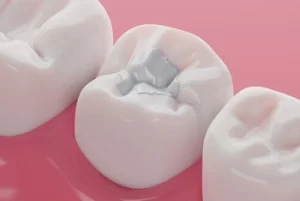
Dental fillings play a key role in supporting long-term oral health. By addressing damage early, they help protect the tooth and lower the risk of further decay.
A well-placed filling supports the structure of the tooth and helps maintain normal function when eating and speaking.
Maintaining good oral hygiene and attending regular dental visits helps support long-term dental health after treatment.
Final Thoughts On Dental Fillings
So, do dental fillings hurt? For most patients, discomfort is minimal during the procedure and manageable afterwards.
While some sensitivity or slight discomfort may occur, many patients notice relief once the decay has been treated. Knowing what to expect can help reduce anxiety and support a smoother experience.
If you are concerned about tooth decay or would like support with restoring a damaged tooth, you can book a consultation with us at Beyond 32 Dental or call (02) 9158 6334 to discuss your situation and appropriate care options.
Resources
“Cleveland Clinic (2024). ‘Dental Fillings’. Cleveland Clinic, 13 May. Cleveland, OH: Cleveland Clinic. https://my.clevelandclinic.org/health/treatments/17002-dental-fillings”
“Kubala, J. (2023). ‘Soft Food Diet: Foods To Eat And Foods To Avoid’. Healthline, 15 March. San Francisco, CA: Healthline Media. https://www.healthline.com/nutrition/soft-food-diet”
“Colgate (2023). ‘What Is Good Oral Hygiene?’. Colgate, 9 January. New York, NY: Colgate-Palmolive Company. https://www.colgate.com/en-us/oral-health/adult-oral-care/what-is-good-oral-hygiene”

Recovering from a tooth extraction, whether it’s a single tooth, wisdom teeth, or part of a dental implants procedure, calls for a little extra care, Read more

If you've ever had a cavity, chances are you've also had a dental filling. Despite being one of the most common dental procedures, many people Read more

Fluoride has been praised for decades as a champion in the fight against tooth decay. But in recent years, questions have emerged. Is fluoride bad Read more

Bad breath can be embarrassing, especially when it persists despite regular brushing and flossing. If you’ve ever asked yourself, does gingivitis cause bad breath? You’re Read more
Recent Comments