
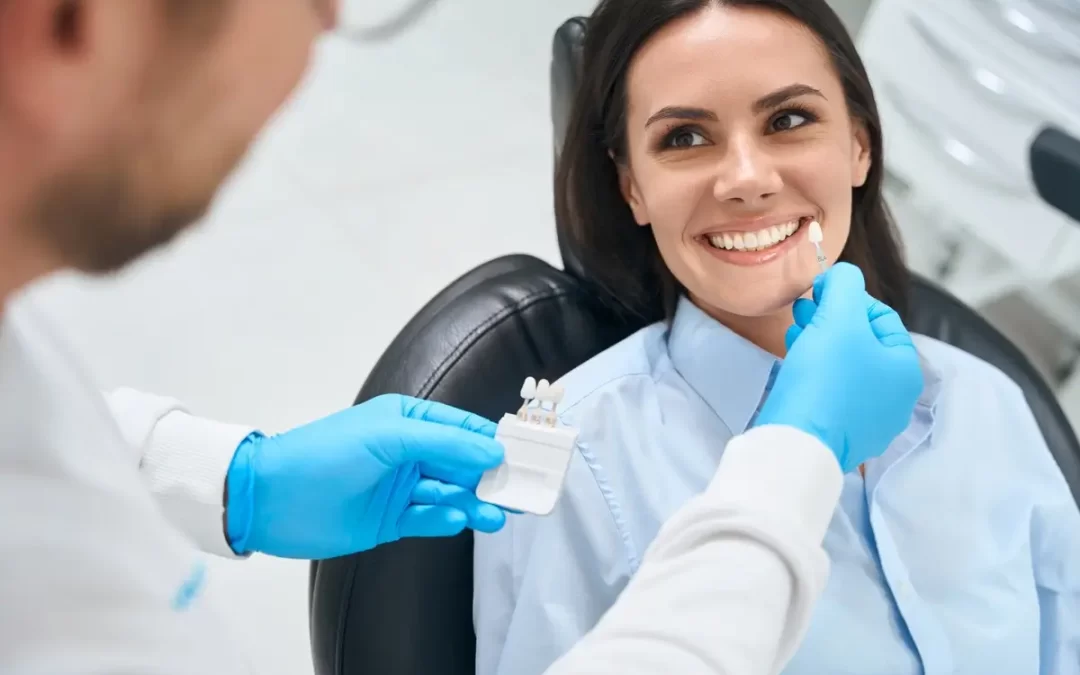
Lower teeth veneers are often considered as part of a broader smile plan. While most people focus on the upper front teeth, the lower teeth also play an important role in how a smile looks and functions.
Understanding how veneers work on lower teeth can help you decide if this approach suits your goals. This guide explains the process, options, and what to expect in a clear and practical way.
What Are Lower Teeth Veneers?
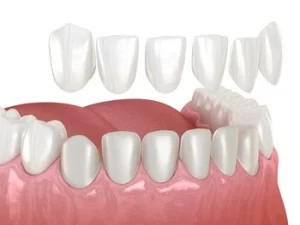
Lower teeth veneers are thin shells placed over the front surface of the lower teeth. They are designed to improve the shape, colour, and alignment of the teeth.
Like other dental veneers, they are used in cosmetic dentistry to enhance the appearance of teeth without changing the entire tooth structure. These veneers can help improve crooked teeth, worn teeth, or discoloured teeth.
Lower teeth veneers are typically part of a wider smile design, especially when both upper and lower teeth are considered together.
 Why Lower Teeth Are Often Overlooked
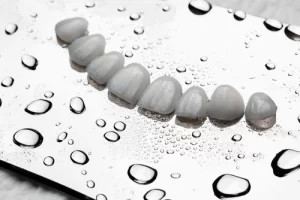
Many people focus on the upper teeth because they are more visible when smiling. However, the bottom teeth veneers can make a noticeable difference, particularly when speaking or smiling naturally.
If the upper and lower teeth are not balanced in colour or alignment, the result may look uneven. Treating both areas can support a more natural smile and improve overall appearance.
When Veneers On Lower Teeth May Be Considered
Lower teeth veneers may be suitable in several situations.
Common Reasons For Treatment
- Crooked teeth that are mild in alignment
- Discoloured teeth that do not respond to teeth whitening
- Worn teeth or uneven edges
- Broken teeth affecting the front surface
In these cases, veneers can help improve the appearance of existing teeth while maintaining as much of the underlying tooth structure as possible.
Types Of Veneers Used For Lower Teeth
There are two main types of veneers used in veneer treatment. The choice between porcelain and composite depends on several factors.
Porcelain Veneers
Porcelain veneers are custom-made veneers created in a dental laboratory. Traditional porcelain veneers are designed to match the shape and colour of natural teeth.
They are known for their durability and natural appearance. Final porcelain veneers are carefully crafted to fit the tooth surface and blend with surrounding teeth.
Composite Veneers
Composite veneers, made from composite resin, are applied directly to the tooth using a tooth-coloured material. This process is often completed in a single visit.
Composite resin is shaped and polished to match the rest of the teeth. While composite veneers may not last as long as porcelain veneers, they can still provide a natural appearance.
Porcelain Or Composite: How To Choose
Choosing between porcelain and composite veneers depends on your goals, the condition of your teeth, and the treatment plan.
Key Considerations
- The current condition of the tooth enamel
- The level of change needed
- Maintenance and proper care
- Overall dental health
An initial consultation helps determine whether porcelain or composite resin is more suitable for your situation.
The Process Of Getting Lower Teeth Veneers
Getting veneers usually involves several steps.
Step 1: Initial Consultation
The process begins with an initial consultation. The dentist assesses your dental health, gum health, and existing teeth. This step helps confirm whether veneers can help achieve your goals.
Step 2: Smile Design
A smile design is created to plan how the veneers will look. This includes decisions about shape, size, and colour to match the natural teeth.
 Step 3: Tooth Preparation
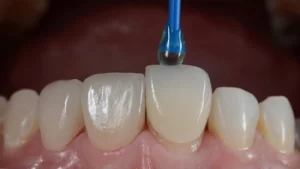
Tooth preparation may involve removing a very thin layer from the front surface of the tooth. This allows the veneer to sit naturally without adding bulk.
Step 4: Fabrication
For porcelain veneers, impressions are sent to a dental lab. Custom-made veneers are then created to fit each tooth.
Step 5: Placement
The veneers are bonded to the tooth surface using dental bonding techniques. The result is a smooth and natural appearance.
How Many Veneers Are Usually Needed?
A common question is how many veneers are required. This depends on how many teeth are visible and what changes are planned.
Factors That Influence Number
- How many teeth show when smiling
- Whether upper and lower areas are treated
- The desired balance between upper and lower
Some people choose to treat only the lower teeth, while others include both upper and lower for a more consistent result.
Do Lower Teeth Veneers Affect Oral Health?
When planned carefully, veneers can support dental health by protecting the tooth surface. However, they do not replace the need for good oral hygiene.
Maintaining gum health and regular dental check-ups is essential. Veneers sit over the natural teeth, so the underlying tooth structure still needs care.
How Long Do Lower Teeth Veneers Last?
The lifespan of veneers depends on the material and how they are maintained.
Porcelain veneers often last longer due to their strength, while composite veneers may need more frequent maintenance. Proper care plays a key role in extending their lifespan.
Caring For Lower Teeth Veneers
Looking after veneers helps maintain both appearance and function.
Daily Care Tips
- Use a non-abrasive toothpaste
- Maintain good oral hygiene
- Attend regular dental check-ups
- Avoid unnecessary pressure on the teeth
These steps help preserve the veneers and support overall dental treatments.
Can Veneers Be Combined With Other Treatments?
In some cases, veneers may be part of a broader approach.
Additional Options
- Teeth whitening before veneer placement
- Dental bonding for minor adjustments
- Other dental treatments to improve alignment or structure
This combined approach supports a more balanced result.
Do Lower Teeth Veneers Affect Speech?
Speech is one of the less obvious areas people think about when considering lower teeth veneers. However, the lower teeth play an important role in how certain sounds are formed, particularly when the tongue and teeth work together during speaking.
In the early stages after getting veneers, some patients may notice slight changes in how certain words feel when spoken. This is usually not due to pain, but rather the presence of a new surface on the front of the teeth. Because veneers are placed over the tooth surface, even a very thin layer can slightly change how the tongue interacts with the lower teeth.
Sounds that involve contact between the tongue and the teeth, such as “s” or “th,” may feel different at first. This adjustment is usually temporary. As the mouth adapts, most people find that speech returns to normal without needing any specific effort.
The thickness and placement of the veneers can influence how noticeable this adjustment is. Careful planning during the smile design stage helps ensure that the veneers fit naturally within the existing bite and do not interfere with normal speech patterns.
It is also important to consider how the lower teeth interact with the upper teeth during speaking. A balanced relationship between upper and lower teeth supports both function and clarity of speech. This is why veneers are often planned with the overall alignment of upper and lower teeth in mind.
In most cases, any changes in speech are short-term and resolve as the patient becomes used to the new veneers. The mouth is highly adaptable, and even small adjustments in the tooth surface are usually accommodated quickly.
If speech continues to feel unusual over time, it may be helpful to have the veneers reviewed. Small refinements can sometimes be made to improve comfort and function.
Overall, while lower teeth veneers can briefly affect how speech feels, they are designed to integrate with natural function, allowing speech to remain clear and comfortable once the adjustment period has passed.
Are Lower Teeth Veneers Suitable For Everyone?
Not all patients are suitable for veneers. The condition of the tooth enamel and overall dental health must be considered.
In cases of significant tooth decay or structural damage, other dental treatments may be recommended first.
An experienced dentist can assess whether veneers can help or whether another approach is more appropriate.
 Understanding Veneers Cost And Planning
Veneers cost can vary depending on the type of material used and the number of teeth treated. Questions such as “how much do veneers cost?” or “how many teeth are involved?” are usually discussed during planning.
Some private health insurance plans may provide partial cover depending on the treatment and policy. It is helpful to check what is included under private health insurance before starting.
What Results Can You Expect?
Lower teeth veneers are designed to improve the appearance of the teeth while maintaining a natural look.
The goal is not to create a uniform look, but to support a natural smile that fits your features. When planned carefully, veneers can help create a more balanced and consistent appearance across upper and lower teeth.
Final Thoughts On Lower Teeth Veneers
Lower teeth veneers can be a useful option for improving the appearance of bottom teeth and supporting a more balanced smile.
By considering the condition of natural teeth, the type of veneer, and the overall treatment plan, it is possible to achieve a result that looks natural and feels comfortable.
If you are concerned about the appearance of your lower teeth or would like support with improving your smile, you can book a consultation with us at Beyond 32 Dental or call (02) 9158 6334 to discuss your situation and appropriate care options.
Resources
“Cleveland Clinic (2022). ‘Veneers’. Cleveland Clinic, 18 July. Cleveland, OH: Cleveland Clinic. https://my.clevelandclinic.org/health/treatments/23522-dental-veneers”
“Colgate (n.d.). ‘What Is Tooth Enamel?’. Colgate. New York, NY: Colgate-Palmolive Company. https://www.colgate.com/en-us/oral-health/mouth-and-teeth-anatomy/what-is-tooth-enamel”
“Higuera, V. (2019). ‘Teeth Bonding: What You Need To Know’. Healthline, 12 March. San Francisco, CA: Healthline Media. https://www.healthline.com/health/dental-and-oral-health/teeth-bonding”
“Mayo Clinic Staff (2023). ‘Cavities And Tooth Decay’. Mayo Clinic, 30 November. Rochester, MN: Mayo Clinic. https://www.mayoclinic.org/diseases-conditions/cavities/symptoms-causes/syc-20352892”

If you're dealing with chipped, discoloured, or slightly crooked teeth, you might be considering dental veneers as a cosmetic solution. Dental veneers are an excellent Read more

Dental veneers are a popular cosmetic dental procedure that can help you achieve the perfect smile you have always wanted. However, many people are curious Read more

Decidedly one of the most popular solutions for those aiming to enhance their smile, porcelain veneers allow you to easily transform your teeth’s size and Read more

Are you feeling unconfident with your crooked teeth and considering getting dental veneers? Veneers are an incredibly popular, minimally-invasive cosmetic dentistry procedure that can help Read more
Recent Comments