

Dental implants have become one of the most reliable options for replacing missing teeth, but like any surgical procedure, they are not without risk. Understanding dental implant failure, what causes it, how to recognise it early, and what options exist if it occurs, helps patients make informed decisions and take the right steps to protect their long-term oral health.
At Beyond 32 Dental in Pennant Hills, Dr Jeff Lin and Dr Jennifer Chung take a careful, individualised approach to dental implant treatment, assessing each patient’s bone quality, medical history, and oral health before any procedure begins.
Quick Overview
- Dental implant failure refers to an implant that does not fuse properly with the surrounding bone, or that fails after initial integration
- It may affect a small proportion of patients, with rates influenced by individual health factors, lifestyle, and the placement process
- Failure can occur early (during healing) or late (after the implant has been in function), and each type has different causes and implications
- Risk factors such as smoking, uncontrolled medical conditions, and poor oral hygiene may increase the likelihood of complications
- A thorough assessment before treatment, and attentive aftercare, both influence how implants perform over time
Keep reading to understand why dental implants fail, what the warning signs look like, and what your options are if complications arise.
What Is Dental Implant Failure?
 Dental implant failure occurs when an implant does not successfully integrate with the surrounding bone or when a previously stable implant loses its connection to the bone after a period of function. The implant may become mobile, painful, or show signs of infection around the gum and bone tissue.
Failure is not common. A large-scale registry study tracking over 158,000 implants found an implant failure rate of 2.21%, with early failures, those occurring before the final restoration was placed, accounting for 1.56%. While these figures reflect a high general success rate, they also confirm that failure does occur, and understanding why is important for anyone considering or already living with implants.
Failure is distinct from minor complications such as soreness, swelling, or temporary sensitivity after placement. These are expected parts of the healing process and do not indicate that an implant is failing.
Early vs Late Dental Implant Failure: What Is the Difference?
The timing of implant failure matters because it points to different underlying causes and affects how the situation is managed.
Early dental implant failure occurs during the osseointegration phase, the period after placement when the implant is fusing with the surrounding bone. This typically happens within the first few months. When osseointegration fails, the implant does not become stable, and it may need to be removed. Common contributing factors include infection at the surgical site, insufficient bone support, or the body’s failure to accept the implant.
Late implant failure occurs after the implant has successfully integrated and has been functioning under load, often months or years later. They are more commonly associated with peri-implantitis, a bacterial infection of the tissue and bone surrounding the implant, as well as implant overload, bone loss over time, or complications linked to systemic health changes.
Both types are clinically significant and benefit from early detection. The signs and management strategies differ, which is why regular dental check-ups are an important part of implant maintenance.
What Causes Dental Implants to Fail?
Implant failure is rarely caused by a single factor. It is most often the result of several contributing elements interacting across the patient’s health, lifestyle, and the placement process itself.
Smoking
Smoking is one of the most consistently identified risk factors for dental implant failure. Nicotine and carbon monoxide reduce blood flow and impair osseointegration, the process by which the implant fuses with the alveolar bone. Higher tobacco use is associated with greater implant failure risk across both early healing and long-term function, with evidence pointing to a dose-response relationship between cigarette use and failure rates.
Gum disease and poor oral hygiene
Active periodontal disease at the time of implant placement significantly increases failure risk. Bacteria associated with gum disease can migrate to surrounding structures, interfere with healing, and contribute to progressive bone damage. Patients who do not maintain good oral hygiene after placement are more susceptible to bacterial infection and progressive bone loss around the implant.
Insufficient bone density
Implants require adequate bone volume and quality to achieve stable osseointegration. In areas where bone density is low, common in the upper jaw, particularly near the sinus cavities, additional procedures such as bone grafting or a sinus lift may be required before or at the time of implant placement. Proceeding without sufficient bone support can compromise the implant’s ability to fuse and remain stable.
Medical conditions and medications
Certain health conditions affect how the body heals and integrates foreign materials. Poorly controlled diabetes, for example, is associated with impaired wound healing and reduced immune response, which can increase failure risk. Osteoporosis affects bone density and structure, while conditions that compromise the immune system may slow healing at the surgical site. Some medications, including corticosteroids and certain antidepressants, have also been identified as factors that can affect osseointegration.
Implant overload
When excessive force is placed on an implant before it has fully integrated, or continuously over time through habits such as bruxism (teeth grinding), the surrounding bone tissue can break down. Implant overload is a cause of late failure and may not be immediately obvious without X-rays showing progressive bone loss around the implant.
Placement factors
Implant placement requires precision. Incorrect positioning, inadequate primary stability at the time of surgery, or contamination of the surgical site can all contribute to early failure. This is why thorough pre-surgical planning and experience in implant placement are important considerations when selecting a clinic.
What Are the Warning Signs of Implant Failure?
Dental implant failure does not always announce itself dramatically. In many cases, changes develop gradually, which is why knowing what to look for and attending regular dental check-ups matters.
Signs that may indicate a problem include: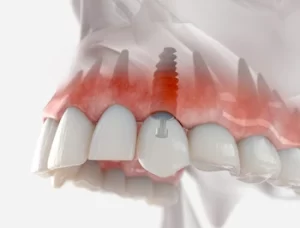
- Implant mobility: A stable implant should not move. Any detectable movement of the implant itself (as opposed to the crown on top of it) is a significant warning sign.
- Persistent pain or discomfort: Some soreness is expected in the days following placement. Pain that persists, worsens, or returns after initial healing may indicate an issue.
- Swelling, redness, or bleeding around the implant site: These may point to infection or early peri-implantitis.
- Difficulty chewing or biting: Changes in how the implant feels under pressure can signal loss of integration or implant overload.
- Visible bone or gum recession: If the gum tissue pulls away from the implant or the metal of the implant becomes visible, this warrants prompt assessment.
Not every symptom will indicate failure. Some may relate to the healing process or to the prosthetic component rather than the implant itself. A dental assessment, including X-rays to evaluate bone levels, is the only reliable way to determine what is occurring.
What Happens If a Dental Implant Fails?
If an implant is confirmed to have failed, the path forward depends on the type of failure, the condition of the surrounding bone, and the individual patient’s circumstances.
In cases of early failure where the implant has not integrated, removal is typically straightforward. Once the site has healed, which may take several months, it is often possible to attempt reimplantation, sometimes after additional bone grafting to restore the implant site. Success rates for reimplantation vary and depend on identifying and addressing the original cause of failure.
In cases of late failure involving peri-implantitis and progressive bone loss, the approach may involve non-surgical treatment (cleaning the implant surface, antibiotics) or surgical intervention to remove infected tissue and regenerate bone. In advanced cases, implant removal may be necessary. Whether reimplantation is possible after late failure depends on how much bone and tissue remain at the site.
It is important to understand that failing to address a failing implant can lead to further bone loss and complications that make future treatment more complex. Early intervention almost always results in more options.
How to Reduce the Risk of Dental Implant Failure
Not all implant failures can be prevented, but many of the most common risk factors are manageable with the right preparation and ongoing care.
Before treatment:
- Undergo a thorough assessment, including X-rays or 3D imaging, to understand dental implant surgery risks and evaluate bone volume and density
- Disclose your full medical history and current medications to your dentist
- Address any active gum disease or tooth decay before proceeding with implant placement
- Discuss smoking with your dentist and consider cessation in the lead-up to surgery, as smoking is associated with poorer healing outcomes after implant placement
After placement:
- Follow all post-surgical care instructions carefully, including avoiding certain foods and activities during healing
- Maintain thorough oral hygiene around the implant site: brush gently, floss daily, and follow the dental implant care and options guidance provided by your dentist
- Attend all follow-up appointments so your dentist can monitor bone levels and integration progress
- Report any unusual pain, swelling, or changes to the implant at your earliest opportunity
Long-term:
- Keep regular dental check-ups, typically every six months or as directed
- If you grind your teeth, discuss a night guard with your dentist to reduce stress on the implant
- Manage any underlying health conditions that may affect oral healing and bone health
When to See Your Dentist About Implant Concerns
 If you have a dental implant and notice any of the warning signs described above, pain, movement, visible changes around the gum, or difficulty with biting, it is worth raising these at your earliest opportunity. Early assessment gives more options and reduces the risk of complications becoming more difficult to manage.
At Beyond 32 Dental, Dr Jeff Lin and Dr Jennifer Chung have a particular interest in implant dentistry and take the time to assess concerns thoroughly. Whether you are experiencing symptoms, considering implants for the first time, or want guidance on caring for existing implants, the team welcomes a conversation.
Call Beyond 32 Dental on (02) 9158 6334 or book a consultation online.
Frequently Asked Questions
How long do dental implants last if they do not fail?
Dental implants are designed to be a long-term tooth replacement option. With adequate bone support, good oral hygiene, and regular dental check-ups, many implants function well for 15 to 25 years or more. The implant fixture itself tends to have a longer lifespan than the crown attached to it, which may need replacement after 10 to 15 years, depending on wear. Individual longevity depends on health, lifestyle, and ongoing care.
Can I get a dental implant if I have had gum disease in the past?
A history of gum disease does not automatically rule out dental implants, but it does require careful assessment. Active periodontal disease must be fully treated and resolved before implant placement is considered, as bacteria associated with gum disease can migrate to the implant site and compromise healing. Patients who have had gum disease in the past are also considered at higher risk of developing peri-implantitis around an implant. Your dentist will assess the current health of your gums and bone before recommending whether implants are appropriate for your situation.
Does dental insurance cover implant failure?
Coverage varies significantly between health funds and policies. Some funds provide partial cover for implant components or associated procedures; others do not cover implants at all. If an implant fails and requires removal or retreatment, it is worth contacting your health fund directly to understand what is and is not covered under your specific policy. Beyond 32 Dental accepts a range of major health funds and can assist with information about claiming.
What should I avoid after dental implant surgery to protect healing?
In the days and weeks following implant placement, certain habits and foods can interfere with the healing process. Smoking is strongly associated with poorer healing outcomes and should be avoided. Hard, crunchy, or chewy foods should be kept away from the implant site while it heals. Vigorous rinsing, spitting, or using a straw in the immediate post-surgical period can disrupt the clot at the surgical site. Your dentist will provide specific post-surgical instructions tailored to your procedure, and following these carefully is one of the most important things you can do to support successful osseointegration.
Are there alternatives to dental implants if I am not a suitable candidate?
Yes. Patients who are not suitable for implants due to insufficient bone, medical conditions, or other factors still have options for replacing missing teeth. These include conventional bridges, which anchor to neighbouring teeth, and removable partial or full dentures. Each option has different implications for comfort, function, and long-term oral health. A dental assessment will help clarify which alternatives are available for your specific situation and what the trade-offs of each approach may be.
Does the location of an implant in the mouth affect its failure risk?
Yes, implant location does play a role in how well an implant integrates and performs over time. Implants placed in the upper jaw, particularly in the molar region, are associated with slightly higher failure rates than those placed in the lower jaw. This is largely because the upper jaw tends to have lower bone density and is in closer proximity to the sinus cavities, which can complicate both placement and healing. The front teeth region also carries specific considerations, as bone volume in this area varies significantly between patients. Implants placed in areas of lower bone density may require additional procedures such as bone grafting or a sinus lift before placement can proceed, and these additional steps can influence both the timeline and the complexity of treatment. Your dentist will assess bone volume and density at the specific implant site during planning, as this information directly shapes which approach is most appropriate for your situation.
Note: Any surgical or invasive procedure carries risks. Before proceeding, you should seek a second opinion from an appropriately qualified health practitioner.
References
Author unknown. (2025). ‘Dental Implant Survival Rates: Comprehensive Insights from a Large-Scale Electronic Dental Registry’. PubMed Central. https://pmc.ncbi.nlm.nih.gov/articles/PMC11856851/
Healthdirect Australia. (n.d.). ‘Dental implant’. Healthdirect Australia. Sydney, NSW: Healthdirect Australia. https://www.healthdirect.gov.au/dental-implant
Better Health Channel. (n.d.). ‘Gum disease’. Better Health Channel. Melbourne, VIC: Victorian Government Department of Health. https://www.betterhealth.vic.gov.au/health/conditionsandtreatments/gum-disease
Australian Dental Association. (n.d.). ‘Dental implants’. teeth.org.au. Sydney, NSW: Australian Dental Association. https://www.teeth.org.au/dental-implants
Mayo Clinic. (2024). ‘Dental implant surgery’. Mayo Clinic, 23 October. Rochester, MN: Mayo Clinic. https://www.mayoclinic.org/tests-procedures/dental-implant-surgery/about/pac-20384622




If you’re considering dental implants to restore your smile then it’s only natural to question whether the procedure will hurt, and what sort of dental Read more
Recent Comments