

Crooked bottom teeth are incredibly common, and many people notice that the bottom row tends to shift or crowd long before the upper teeth do. While this is normal, it can still affect your oral health, your bite, your comfort and how confident you feel when you smile. Whether your concern is mild or more noticeable, modern orthodontic treatment offers many ways to gradually straighten your bottom teeth and support long-term oral health.
This detailed guide explores why bottom teeth move, what causes crooked bottom teeth, and the treatment options available to help you work towards a straighter smile. With the right treatment plan and guidance from a dentist, you can improve alignment in a way that suits your lifestyle, comfort, and desired smile.
Why Do Bottom Teeth Tend To Become Crooked Over Time?
Many people notice their bottom teeth changing shape or position over the years. Shifts in the lower teeth can happen for several reasons, even if your top teeth remain straight.
 Natural changes in the mouth
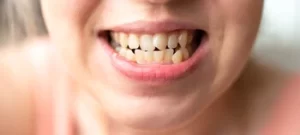 Natural changes in the mouth
Bottom teeth often shift as part of normal ageing. The mouth experiences constant pressure from chewing, talking and general movement. Tight spaces along the bottom row mean even small changes can make misaligned bottom teeth more noticeable.
Developmental habits
Childhood habits such as thumb sucking, early loss of baby teeth or delayed eruption of adult teeth can influence how bottom teeth develop. These early factors may only show their full effects later in life, especially when combined with natural crowding.
Wisdom teeth and pressure
Some people experience pressure when wisdom teeth begin to form or erupt. Even if the wisdom teeth do not fully erupt, the internal pressure can contribute to crowding, particularly in the bottom row.
Teeth grinding and jaw habits
Night-time teeth grinding places uneven force on the lower teeth and jaw. Over time, this can shift alignment, flatten tooth edges and contribute to crooked bottom teeth.
A changing bite
If your bite changes due to missing teeth, gum disease, weakened bone support or earlier orthodontic changes, the lower teeth may shift in response. Misaligned teeth often move to fill small gaps, which can make crowding more noticeable.
How Crooked Bottom Teeth Affect Your Oral Health
While appearance is one reason people seek treatment, misaligned teeth can affect more than your smile.
Difficulties with cleaning
Tight spaces between crooked bottom teeth make it harder to remove food particles. This increases the risk of plaque buildup, bad breath and gum disease.
Increased wear on teeth
An improperly aligned bite can cause uneven pressure on the lower teeth. This may lead to chipping, enamel wear, jaw pain and strain across the jaw muscles.
Higher risk of gum issues
When gum disease develops, it can weaken the support around the bottom teeth more quickly than in other areas, especially in crowded areas. Maintaining gum health becomes more challenging when teeth are tightly packed.
Impact on confidence
Even mild crowding can make some people hesitate to show their smile. Straightening bottom teeth can restore comfort and confidence in both professional and social settings.
Exploring Treatment Options To Straighten Bottom Teeth
Modern treatment options make teeth straightening more accessible, comfortable and convenient than ever before. The choice depends on the severity of crowding, lifestyle preferences and how quickly you want results.
Clear Aligners: A Discreet Way To Straighten Crooked Teeth
Clear aligners are one of the most popular ways to straighten your bottom teeth because they are removable aligners that fit snugly over your teeth.
How clear aligners work
 Clear aligners use a series of custom trays that gradually straighten the teeth by applying gentle pressure. They are suitable for mild to moderate bottom-teeth crowding and can improve both the bottom and upper teeth if needed.
Key benefits
- Nearly invisible
- Removable for meals and cleaning
- Comfortable around the gums
- Helpful for improving oral hygiene because you can brush and floss normally
Suitability for different cases
Clear aligners can treat misaligned teeth, mild crowding, minor bite problems and mild rotation of the lower teeth. If your teeth alignment issues are more complex, you may need another treatment first.
Remember to wear retainers
After finishing clear aligner treatment, retainers help keep the teeth aligned and prevent future shifting.
Traditional Braces: A Reliable Choice for More Complex Cases
Traditional metal braces have helped people straighten their teeth for many decades. They remain a strong option, especially when alignment issues are more severe.
Why choose metal braces
Traditional braces straighten teeth by applying gentle force through attached brackets and connecting wires. They are effective for crowded lower teeth, bite problems or a bottom row with significant rotation.
Treatment duration and results
The treatment duration varies depending on the amount of movement required. Metal braces offer predictable results and can help align the bottom teeth, upper teeth and bite at the same time.
Caring for your teeth with braces
Braces require attention to oral hygiene since food particles can get stuck around the wires. Regular brushing, flossing and professional cleaning support healthier gums and long-term oral health.
Ceramic Braces: A Lower Visibility Alternative
If you prefer a more discreet option but still need the full control of traditional braces, ceramic braces may be a good option.
What makes ceramic braces different
Ceramic braces function the same way as metal braces but use tooth coloured components that blend more naturally with your smile.
Ideal for mild to moderate cases
They help straighten crooked teeth without drawing too much attention to the lower teeth or top teeth. Many people choose ceramic braces when clear aligners are not recommended.
Lingual Braces: Hidden Behind the Teeth
Lingual braces are placed on the inner side of the bottom teeth, making them nearly invisible from the outside.
Why do people choose lingual braces?
- Hidden placement
- Effective for treating crooked bottom teeth
- Suitable for working adults or anyone who prefers an invisible option
Considerations
Lingual braces may feel unusual at first because they sit close to the tongue, and not every type of misaligned teeth can be treated with them. A consultation with a dentist can confirm if this option is right for you.
Removable Aligners for Simple or Short-Term Needs
Some people only require very mild correction. In such cases, short-term removable aligners may be recommended.
When these aligners help
They can address mild crowding, slightly overlapping teeth, and cases where alignment has shifted after previous orthodontic treatment.
Best for maintaining alignment
They are often used as a solution for those who want small refinements to the bottom row rather than a full orthodontic treatment plan.
What To Consider Before Starting Teeth Straightening
Straightening bottom teeth is an investment in your smile and your oral health. Before starting treatment, a few important factors should be discussed with your dentist.
The condition of the gums
Healthy gums are essential before starting teeth straightening. If gum disease or inflammation is present, treatment may need to begin with improving gum health first.
Your bite and jaw position
The alignment of the jaw influences how the bottom teeth sit. Bite problems may need to be corrected alongside alignment to avoid future shifting or jaw pain.
Checking for impacted teeth
Wisdom teeth or other teeth hidden below the gums can affect treatment progress. A dentist will usually take X-rays to check for any hidden issues.
Oral hygiene needs
Some treatments require a higher level of daily cleaning. Your dentist will guide you on the right approach to maintain oral hygiene during treatment.
Expected results and treatment duration
Every month is different. The treatment duration for straightening the bottom teeth can vary depending on how crowded the lower teeth are and how quickly they respond to movement. Your dentist will outline a personalised treatment plan with realistic expectations.
How Straightening Bottom Teeth Improves Everyday Comfort
 Many people are surprised by how much difference straightening the bottom row can make. Even small changes in alignment can help:
- Reduce jaw strain associated with teeth grinding
- Improve airflow and comfort when speaking
- Reduce the risk of bad breath caused by trapped food particles
- Make brushing and flossing easier
- Support a picture-perfect smile that feels natural and balanced
Straight teeth also help keep the other teeth stable, improving long-term oral health and helping maintain a straighter smile.
Final Thoughts on Straightening Bottom Teeth
Straightening bottom teeth can make a meaningful difference to your smile, comfort and oral health. Whether you choose traditional braces, clear aligners, removable aligners, or veneers, the goal is to gradually straighten the teeth in a balanced, predictable way. An assessment with a qualified dentist can help you understand which treatment supports a well-aligned smile, a healthier bite and long-term good oral health.
If you are ready to explore treatment options or want personalised advice about how to straighten your bottom teeth, contact Beyond 32 Dental at (02) 9158 6334 for a friendly consultation.
References
Colgate. (n.d.). How to practice good oral hygiene with braces. Retrieved from https://www.colgate.com/en-us/oral-health/kids-oral-care/how-to-practice-oral-hygiene-with-braces
Santhakumar, S. (2022, February 7). Metal braces: Uses, costs, benefits, and more. Medical News Today. Retrieved from https://www.medicalnewstoday.com/articles/metal-braces-uses-costs-benefits-and-more-2
Jewell, T. (2019, May 17). Ceramic braces: Pros and cons. Healthline. Retrieved from https://www.healthline.com/health/ceramic-braces
National Health Service. (n.d.). Gum disease. Retrieved from https://www.nhs.uk/conditions/gum-disease/


Recent Comments