

A brighter smile can enhance your appearance and create a lasting positive impression. But the thought of teeth whitening can be a little intimidating for people with sensitive teeth. Tooth sensitivity can cause discomfort when consuming hot or cold foods; whitening treatments may occasionally heighten this sensitivity.
Fortunately, you can achieve noticeable whitening results without worsening sensitivity with the right approach and professional guidance. This article explores the connection between teeth whitening and sensitive teeth, how whitening treatments work, and how you can maintain good oral health while working toward a brighter smile.
What Really Happens When You Have Tooth Sensitivity
Tooth sensitivity is more than just a fleeting sting from hot coffee or ice cream; it signals that your teeth may need extra care. Understanding why this happens can help you make informed decisions before starting any whitening treatment and protect your enamel from further irritation.
What Causes Tooth Sensitivity?
 Tooth sensitivity develops when the protective enamel thins or the gums recede, revealing the dentin beneath. This layer contains tiny tubules that link directly to the nerves inside your teeth. When these tubules are exposed, stimuli such as cold air, hot drinks, or sweet foods can trigger sharp discomfort.
Common causes of tooth sensitivity include:
- Worn enamel from brushing too hard
- Tooth decay or cavities
- Gum disease and gum recession
- Cracked or damaged teeth
- Recent dental treatments, including fillings or professional teeth cleaning
Why Whitening Can Make Your Teeth Feel More Sensitive
Many teeth whitening treatments use bleaching agents such as hydrogen peroxide or carbamide peroxide. These active ingredients penetrate the enamel to break down stains and remove discolouration. While effective, this process can temporarily increase tooth sensitivity because it opens up the dentinal tubules and may irritate the nerves inside the tooth.
If your enamel is thin or already worn, whitening products with higher concentration levels can increase discomfort. That’s why it’s important to choose whitening options designed for sensitive teeth and follow your dentist’s instructions carefully.
The Science Behind How Teeth Whitening Works
Ever wondered what actually makes your teeth look whiter after a whitening treatment? It’s not just magic, it’s science. Teeth whitening involves special whitening agents that break down stains and lighten the enamel, revealing a cleaner and brighter smile beneath. Understanding this process helps you choose the right whitening option for your teeth, especially if you struggle with sensitivity.
The Role of Whitening Agents
Teeth whitening involves the use of bleaching agents that lift stains and brighten the colour of the enamel. Among these, hydrogen peroxide is the most widely used ingredient in both professional and at-home whitening treatments. It breaks down into oxygen molecules that lift stains from the enamel surface, revealing a cleaner and brighter smile.
Professional whitening treatments often use a higher concentration of bleaching agents, while at-home teeth whitening kits contain milder formulas to reduce sensitivity risks.
What Are the Different Ways You Can Whiten Your Teeth?
There are two main categories of whitening treatments: professional and at-home.
1. Professional Whitening
Professional teeth whitening is typically done at a dental clinic under the guidance of a qualified dental professional. The procedure generally involves applying a whitening gel with a higher concentration of hydrogen peroxide, which may be activated using an LED light or laser to enhance its effectiveness.
In-chair whitening provides noticeable results within a single session because of the higher concentration and controlled application. A fluoride treatment may be applied after the session to reduce tooth sensitivity and strengthen the enamel.
2. At Home Whitening
Home whitening options are convenient and can be effective when used correctly. They include custom-made trays provided by your dentist, whitening strips, whitening toothpastes, and over-the-counter whitening gels.
While these options use lower concentrations of whitening agents, they still carry a risk of increased tooth sensitivity, especially if used too frequently or without proper guidance. Always follow the dentist’s instructions and avoid prolonged use.
Choosing the Right Whitening Option for Sensitive Teeth
Not every whitening treatment suits sensitive teeth. The goal is to find one that brightens your smile while keeping discomfort to a minimum.
Professional Whitening for Safer Results
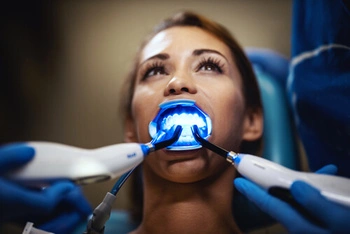 For those with sensitive teeth, professional whitening at a dentist’s office is often the most suitable and comfortable choice. A dentist can customise the treatment to your specific needs, applying a whitening gel formulated for sensitive teeth. They can also monitor your gum health, identify worn enamel, and take steps to prevent increased tooth sensitivity during and after the procedure.
Your dentist might also recommend fluoride toothpaste or desensitising gels containing potassium nitrate to strengthen your teeth before whitening.
Home Whitening Options with Care
For those who prefer home teeth whitening, it’s crucial to choose whitening products designed for sensitive teeth. Look for whitening gels or strips that contain lower concentrations of hydrogen peroxide and include soothing ingredients such as potassium nitrate or fluoride.
Custom-made trays are another effective solution because they fit your teeth precisely and prevent the whitening gel from spilling onto the gums, reducing gum sensitivity and irritation.
Preventing and Managing Sensitivity During Whitening
Experiencing sensitivity during whitening is common, but it doesn’t have to stop you from achieving a brighter smile. With the right care and preparation, you can protect your enamel and reduce discomfort before, during, and after your whitening treatment.
Strengthen Your Teeth Before Whitening
Preparing your teeth before a whitening treatment can help minimise discomfort. Use fluoride toothpaste or a specific sensitive toothpaste daily for at least two weeks before your whitening session. These toothpastes work by blocking the exposed dentin tubules and strengthening the enamel.
Reduce Sensitivity with Proper Care
To reduce sensitivity during or after whitening, consider these steps:
- Use sensitive toothpaste regularly.
- Stay away from acidic or very hot and cold foods for several days.
- Use a soft-bristle toothbrush to protect tooth enamel.
- Rinse with fluoride mouthwash to strengthen teeth.
- Space out whitening treatments to allow recovery time.
If you experience increased sensitivity after whitening, your dentist may recommend applying a desensitising gel or fluoride varnish to soothe the nerves.
Common Causes of Whitening-Related Sensitivity
Whitening treatments can sometimes irritate teeth and gums due to:
- Overuse of Whitening Products: Excessive use of whitening strips or gels can cause enamel wear, gum irritation, and tooth sensitivity. Always follow the recommended application time.
- High Concentrations of Bleaching Agents: Whitening products with a higher concentration of hydrogen peroxide can produce quicker results, but may also lead to more discomfort for those with sensitive teeth.
- Improper Application: If whitening gel touches your gums or damaged areas of the teeth, it may cause temporary irritation or gum sensitivity.
- Existing Dental Conditions: Teeth affected by tooth decay, gum disease, or cracked enamel may react poorly to whitening agents. It’s essential to address these issues before beginning any whitening treatment.
Professional Tips for Whitening Sensitive Teeth
Before beginning any whitening treatment, book a consultation with a dental professional. They will assess your teeth and gums to recommend the most appropriate approach. Whitening damaged teeth or untreated cavities can worsen tooth sensitivity, so a professional assessment ensures optimal oral health before treatment.
Use Whitening Products Designed for Sensitive Teeth
Whitening toothpastes and gels formulated for sensitive teeth often contain ingredients that reduce nerve response, such as potassium nitrate or fluoride. These help protect the enamel and make the whitening process more comfortable.
Limit Whitening Frequency
Frequent whitening can weaken tooth enamel and lead to increased sensitivity. Allow adequate time between treatments and focus on maintaining your results with good oral hygiene and regular teeth cleaning at your dental clinic.
Comparing Whitening Options: Wrapping Up Your Options
Each whitening method has its benefits, but the right choice depends on your teeth’s sensitivity and desired results. Whether you prefer a quick in-chair treatment or a gradual at-home approach, consulting your dentist ensures you achieve a brighter smile safely and comfortably.
In-Chair Whitening
- Performed by a dental professional
- Uses a higher concentration of whitening agents
- Provides immediate and noticeable results
- Desensitising treatment often included
- Suitable for people with mild to moderate sensitivity
Home Whitening Kits
- Convenient and cost-effective
- Uses lower concentrations of hydrogen peroxide
- Needs regular application over several days or weeks for noticeable results
- Potential for uneven results if trays or strips are not applied correctly
Whitening Toothpastes and Strips
- Good for maintaining professional whitening results
- Contain gentle whitening agents to remove surface stains.
- It may take longer to show results.
- Less effective for deep or internal discolouration
Maintaining Your Whitening Results: Keeping Your Smile Bright After Whitening
Once you’ve completed your whitening treatment, proper care will help maintain your new, brighter smile.
Daily Habits That Protect Your Enamel
- Brush your teeth twice daily with fluoride toothpaste.
- Floss or use interdental cleaners to remove plaque between teeth.
- Reduce your intake of coffee, tea, and red wine, as these beverages can cause staining on your teeth.
- Avoid smoking or tobacco products, as they cause persistent stains.
- Schedule regular professional teeth cleaning appointments.
Gentle Whitening Maintenance
If you want to maintain your whitening results without increasing sensitivity, use whitening toothpastes or mouth rinses that contain mild polishing agents instead of strong bleaching compounds. These products help remove plaque and prevent surface stains from building up over time.
What to Expect After Whitening
After a whitening treatment, it’s normal to notice some temporary changes in how your teeth feel or look. Understanding what to expect helps you care for your teeth properly and maintain your whitening results for longer.
Temporary Tooth Sensitivity
Mild tooth sensitivity after whitening is common and usually subsides within a few days. This happens as the dentinal tubules temporarily remain open following exposure to whitening agents. Using a sensitive toothpaste or fluoride gel can help speed up recovery.
Gum Sensitivity
Sometimes, whitening gel can irritate the gums if it spreads beyond the tooth surface. Your dentist can apply protective barriers during professional whitening to prevent this. If you experience mild gum sensitivity at home, rinse with water and avoid whitening products for a few days.
Longevity of Whitening Results
The longevity of your whitening results depends on your oral hygiene and lifestyle habits. Professional whitening results can last up to two years with proper care, while at-home results may need touch-ups every few months.
Whitening and Oral Health Considerations
Whitening treatments can make your smile sparkle, but your oral health should always come first. Understanding how whitening affects your teeth and gums helps you avoid unnecessary sensitivity and keeps your enamel strong in the long run.
Enamel Protection
Your tooth enamel does not grow back once it wears down. That’s why using whitening products carefully is vital. Products containing higher levels of hydrogen peroxide can make enamel more porous temporarily, leading to sensitivity or even damage if overused.
Addressing Underlying Dental Issues
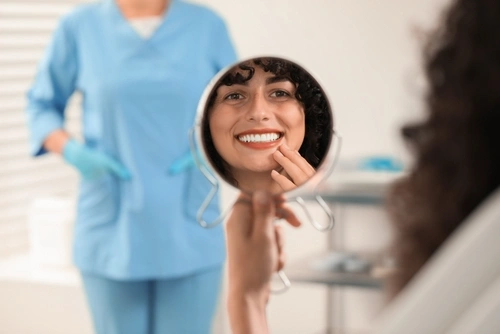 Whitening should never be used to mask problems like tooth decay or gum disease. These conditions need to be treated first. Whitening damaged teeth without addressing the underlying issue can worsen discomfort and sensitivity.
Regular Check-Ups
Regular dental visits make it possible to have your teeth professionally cleaned, removal of plaque, and an evaluation of enamel health. They can also adjust your whitening routine to ensure you achieve your desired shade without risking increased sensitivity.
Wrapping Up Your Whitening Journey
Teeth whitening for sensitive teeth requires balance, care, and professional guidance. With the right whitening options, you can whiten teeth effectively without aggravating tooth sensitivity. Whether you choose in-chair whitening or home whitening kits, always consult your dentist to find a treatment designed for sensitive teeth.
Healthy enamel and good oral hygiene are the foundations of lasting whitening results. If you have sensitivity issues or want to explore whitening treatments tailored to your needs, book an appointment with Beyond 32 Dental at (02) 9158 6334 to enjoy a naturally brighter smile while maintaining healthy teeth and gums.
References
- JNTL Consumer Health Middle East FZ-LLC. (2024, August). 5 Foods that stain your teeth. Retrieved from https://www.listerine-me.com/teeth-whitening/5-things-stain-your-teeth
- Colgate-Palmolive. (n.d.). Treat super sensitive teeth with sensitive toothpaste. Colgate. Retrieved from https://www.colgate.com/en-gb/oral-health/tooth-sensitivity/treat-super-sensitive-teeth-with-sensitive-toothpaste
- Bell, B., MS, RD. (2025, May 6). How to naturally whiten your teeth at home. Healthline. Retrieved from https://www.healthline.com/nutrition/whiten-teeth-naturally
- Beers, S. P., M.D. (2021, December 1). What is hydrogen peroxide good for? Cleveland Clinic Health Essentials. Retrieved from https://health.clevelandclinic.org/what-is-hydrogen-peroxide-good-for
- WebMD. (2023, November 15). Teeth whitening and bleaching. WebMD Oral Health. Retrieved from https://www.webmd.com/oral-health/teeth-whitening-and-bleaching


Many of us wish we had a whiter smile. With the vast array of whitening products available on the supermarket shelves, it would seem easy Read more


Recent Comments