

Getting dental implants is a major step toward restoring your smile after losing one or more teeth. But beyond the procedure itself, understanding how the dental implant treatment process works can make a big difference in your comfort and recovery.
All dental implant healing stages play an important role in ensuring your implant integrates properly with your jawbone and functions just like your natural teeth. Whether you’ve just had your initial consultation or you’re about to begin the dental implant process, knowing what to expect helps you prepare, manage discomfort, and maintain good oral health during recovery.
Let’s take a closer look at what happens after dental implant surgery, from the early days of healing to the moment your replacement tooth is ready.
Understanding the Dental Implant Procedure
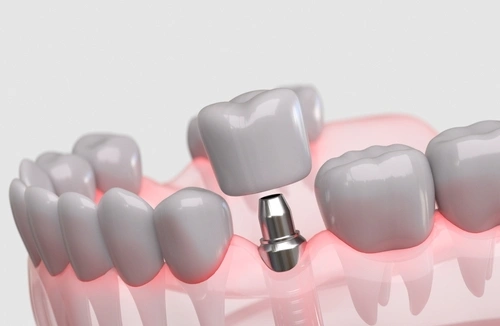 A dental implant is a small titanium implant that serves as an artificial tooth root. It’s placed into the jawbone through minor surgery to support a dental crown or bridge. The dental implant procedure is typically performed by a dentist with experience in implant dentistry.
The dental implant procedure includes several key stages, each requiring time for your body to heal properly before moving to the next. These include the initial consultation, implant placement, healing phase, abutment placement, and finally, attaching the replacement tooth.
Even though it takes longer than other forms of tooth replacement, most dental implants offer a durable, long-term solution for replacing missing teeth.
Stage 1: Initial Consultation and Treatment Planning
Every dental implant treatment begins with a thorough initial consultation. Your dentist will assess your overall health and dental health, take X-rays, and evaluate your jawbone’s density and shape.
If you’ve had missing teeth for a while, your jawbone may have started to shrink. In such cases, your dentist may recommend a bone graft before proceeding. A bone graft strengthens the area and provides the necessary foundation for the implant post to anchor securely.
At this stage, your dentist will explain the healing process, discuss post-operative care instructions, and answer questions like how many teeth need to be replaced or how long recovery might take.
Stage 2: Implant Placement Surgery
Once your treatment plan is ready, the dental implant surgery is the next step. This initial surgery involves inserting the titanium implant directly into your jawbone at the implant site. It’s a form of minor surgery that is usually performed under local anaesthetic, so you’ll feel minimal discomfort during the procedure.
The dentist carefully positions the implant to ensure it won’t interfere with surrounding teeth. After placement, a small protective cap is fitted over the surgical site to keep it covered throughout the healing phase.
Some patients may need a tooth extraction before implant placement if the old or damaged tooth is still present.
Stage 3: Early Healing (1–2 Weeks After Surgery)
After the dental implant surgery, your body immediately begins the healing process. In the first few days, it’s normal to experience mild swelling, slight bleeding, or tenderness around the implant. This is part of your body’s natural soft tissue healing response.
During this stage, the focus is on protecting the implant site and preventing complications like infection. Your dentist will provide specific post-operative care and pain relief instructions, such as:
- Applying cold compresses to reduce swelling.
- Taking prescribed or over-the-counter medication for pain.
- Eating soft foods to avoid pressure on the implant.
- Keeping up with good oral hygiene, but avoiding direct brushing on the surgical site.
Following these steps helps promote healing and sets the stage for the next phase of recovery.
Stage 4: Osseointegration and Its Role in Stability
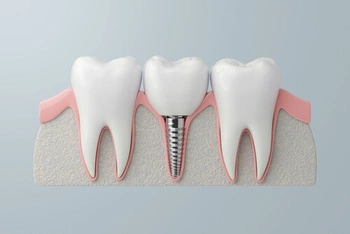
Perhaps the most crucial part of dental implant healing is a process called osseointegration. This is when the titanium implant fuses naturally with your jawbone, creating a stable base for your future replacement tooth.
During osseointegration, bone growth occurs around the implant, locking it firmly in place. This process can take several months, sometimes up to six, depending on your overall health and the strength of your bone.
While this sounds like a long time, it ensures that your implant functions like a natural tooth root. By maintaining regular dental visits and proper oral hygiene, a well-integrated implant can last for decades.
To support bone and soft tissue healing during this stage:
- Follow a soft food diet for the first few weeks after surgery.
- Steer clear of hard or crunchy foods that may irritate or disrupt the implant site.
- Keep up good oral hygiene by gently rinsing with a mouthwash recommended by your dentist.
- Refrain from smoking, as it may slow bone healing and interfere with recovery.
Your dentist will monitor how well the implant integrates through follow-up appointments to ensure healing is progressing as expected.
Stage 5: Abutment Placement and Gum Healing
After the implant has completely bonded with the jawbone, the next phase of the dental implant healing stages involves placing the abutment. The abutment functions as a connector joining the implant to the dental crown.
This minor procedure is usually done under local anaesthetic and involves reopening the gum tissue to attach the abutment. You may notice mild tenderness for a few days afterwards. This is normal and part of soft tissue healing.
Your dentist will give you detailed post-operative care instructions for this phase. They may recommend continuing to eat soft foods, keep the area clean, and use a gentle saltwater rinse to prevent infection.
Healing after abutment placement typically takes a few more weeks. Once the gums have healed properly around the implant, impressions can be taken to create your custom dental crown.
Stage 6: Crown Placement and Final Restoration
The last step of the dental implant process is the placement of the replacement tooth, referred to as the dental crown. This crown is colour-matched to blend smoothly with your surrounding teeth for a natural look.
By this point, your healing process is nearly complete, and your implant has become a permanent part of your smile. Your dentist will check your bite, ensure the crown fits comfortably, and confirm that the implant integrates well with your bone.
Once finished, you’ll be able to chew, speak, and smile comfortably again. Your implant will function almost like your natural teeth.
Common Signs of Healthy Healing
 Each patient’s dental implant recovery varies, but there are common indicators that your healing phase is progressing well:
- Gradual reduction in swelling or tenderness.
- The gum around the implant looks healthy and pink.
- No persistent bleeding or discharge from the surgical site.
- Stable implant without movement or discomfort.
Experiencing slight soreness is normal, but pain should continue to lessen over time.
If you notice ongoing swelling, severe pain, or pus around the area, contact your dentist immediately, as these may be signs of implant failure or infection that require prompt attention.
Promoting a Smooth Recovery
A smooth recovery depends on your commitment to post-operative care. To help your dental implant healing go as planned:
- Follow your dentist’s instructions carefully: every step matters in the healing process.
- Maintain good oral hygiene: brush gently, avoid direct contact with the implant site, and rinse as advised.
- Eat soft foods: your mouth needs time to adjust, especially after the initial surgery.
- Avoid smoking or alcohol: these can interfere with bone healing and soft tissue healing.
- Attend regular dental check-ups: monitoring progress ensures your implant is healing properly and your overall dental health stays on track.
Remember, healing isn’t the same for everyone. Factors like overall health, medication use, and oral hygiene habits can all affect recovery time.
Preventing Infection and Protecting the Surgical Site
Infection prevention is one of the most important aspects of dental implant recovery. The surgical site needs to stay clean, but it’s also sensitive during the healing phase.
Here’s how to protect it effectively:
- Use a soft-bristle toothbrush when cleaning around the implant.
- Avoid vigorous rinsing for the first few days after surgery.
- Stick with lukewarm saltwater rinses to promote healing and reduce bacteria.
- Avoid touching the implant site unnecessarily.
If you had a bone graft as part of your dental surgery, your dentist might give you specific cleaning or diet instructions to help the graft stabilise. Adhering to these directions can significantly lower the chance of infection or implant failure.
Pain Relief and Managing Discomfort
Some discomfort after surgery is completely normal. Your dentist may suggest simple pain relief measures, such as:
- Taking prescribed medication or using over-the-counter painkillers.
- Applying cold compresses for the first 24–48 hours to control swelling.
- Getting enough rest during the first few days of recovery.
If you experience increasing pain instead of improvement, contact your dentist. Early attention can prevent small issues from becoming larger complications.
Maintaining Long-Term Dental Health After Implants
Once your implant is fully healed and your dental crown is in place, your job isn’t quite done. Caring for your implant is similar to caring for your natural teeth and just as important for your overall dental health.
To maintain a healthy implant:
- Keep maintaining good oral hygiene. Brush two times a day and floss gently around the implant.
- Attend regular dental check-ups to make sure the implant and gums stay healthy.
- Eat a balanced diet to support long-term oral health.
- Let your dentist know if you detect any changes near the implant.
A well-cared-for implant can last decades, providing a strong and stable foundation for your smile.
Final Takeaway
 The dental implant healing stages may take time, but each step is essential for ensuring lasting stability and natural function. From implant placement to osseointegration and crown attachment, your body is working continuously to heal properly and support your new smile.
By maintaining good oral hygiene, following post-operative care instructions, and keeping up with regular dental check-ups, you’ll help your implant heal smoothly and protect your overall health for years to come.
If you’re concerned about your dental implant healing stages or want guidance on how to support a smooth recovery, book a consultation with us at Beyond 32 Dental or call (02) 9158 6334. Our experienced team can help you understand what to expect during each phase of healing and how to care for your new implant for lasting comfort and function.
Note: Any surgical or invasive procedure carries risks. Before proceeding, you should seek a second opinion from an appropriately qualified health practitioner.
Resources
WebMD Editorial Contributors. (2024). ‘Dental Crowns’. WebMD, 15 October. New York, NY: WebMD LLC.
https://www.webmd.com/oral-health/dental-crowns
Cherney, K. & McLean, A. (2025). ‘10 Ways to Keep Your Teeth Healthy’. Healthline, 13 May. San Francisco, CA: Healthline Media.
https://www.healthline.com/health/dental-and-oral-health/best-practices-for-healthy-teeth
Colgate Oral Care Team. (n.d.). ‘Soft Food Diet Options: What To Eat After Dental Treatment’. Colgate, n.d. New York, NY: Colgate-Palmolive Company.
https://www.colgate.com/en-us/oral-health/nutrition-and-oral-health/soft-food-diet-options-what-to-eat-after-dental-treatment
Cleveland Clinic Staff. (2024). ‘Dental Bone Graft’. Cleveland Clinic, 6 August. Cleveland, OH: Cleveland Clinic.
https://my.clevelandclinic.org/health/treatments/21727-dental-bone-graft




If you’re considering dental implants to restore your smile then it’s only natural to question whether the procedure will hurt, and what sort of dental Read more
Recent Comments