

Having a dental implant placed is an effective solution for replacing missing teeth and bringing back the natural look of your smile. It offers long-term support, improved function, and a natural appearance. However, like any surgical procedure, it’s common to experience some level of discomfort as your mouth heals. The good news is that most patients report only mild discomfort after dental implant surgery, and with the right care and pain management strategies, you can ensure a smooth recovery.
In this guide, we’ll explore how to relieve pain from dental implant treatment, what’s considered normal during healing, and when you should contact your dentist for help.
Understanding Why Dental Implant Pain Happens
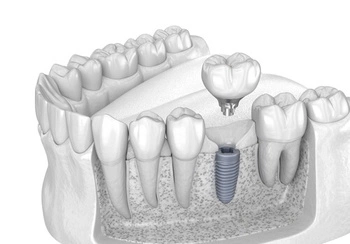
A dental implant involves fixing a small titanium post into the jawbone to replace the root of a missing tooth. Over time, the implant fuses with the bone, providing a stable base for a dental crown or bridge. Because the procedure involves both the gums and jaw, some discomfort is expected during the healing process.
After surgery, many patients experience pain around the implant site, along with swelling, minor bleeding, or tenderness. These are natural responses from your body as it heals. Most cases of dental implant pain improve within a few days to a week, especially when proper post-surgery care is followed.
What’s Normal and What’s Not After Surgery
 It’s important to understand the difference between typical healing sensations and signs of complications. Here’s what you can expect:
- Mild discomfort and dull ache: Most patients report a dull ache or tenderness around the implant area. This usually peaks within 24 to 72 hours after surgery and gradually improves.
- Swelling and minor inflammation: Swelling of the gums or face is common and should reduce within a few days.
- Light bleeding: Slight bleeding at the implant site can occur, but should stop after the first 24 hours.
If you notice intense pain, ongoing bleeding, or symptoms of infection like fever, pus, or increasing swelling, seek prompt attention from your dentist.
Effective Ways to Relieve Dental Implant Pain
Relieving dental implant pain is all about supporting the healing process and reducing irritation. Here are some practical and effective strategies to help you feel more comfortable.
1. Use Ice Packs to Reduce Swelling
Placing an ice pack on the outside of your cheek near the implant area can significantly reduce swelling and numb pain. Use it for 15-20 minutes at a time during the first 24 to 48 hours after surgery. This helps control inflammation and promotes a smoother recovery.
2. Take Pain Relief Medication as Advised
Over-the-counter painkillers like paracetamol or ibuprofen are commonly recommended to manage dental implant pain. They work to ease inflammation and offer relief from any discomfort. Your dentist may prescribe stronger medication if required. Be sure to follow their guidance carefully and avoid exceeding the prescribed dosage.
3. Stick to Soft Foods During the Healing Phase
Chewing hard foods too soon can irritate the implant site and delay healing. In the first few days, stick to soft foods such as soups, yoghurt, scrambled eggs, and smoothies. Gradually reintroduce more solid foods as the discomfort eases and your mouth heals.
4. Practise Good Oral Hygiene Gently
Keeping your mouth clean is mandatory for preventing infection, but you’ll need to be careful around the implant area. Use a soft-bristled toothbrush and gentle rinses to maintain proper oral hygiene without disturbing the healing tissues. Your dentist might recommend a saltwater rinse or an antibacterial mouthwash to help reduce bacteria.
5. Take Time to Rest and Support Your Body’s Healing
Your body needs time and energy to heal, so rest is crucial. Avoid intense exercise or heavy lifting in the first few days after surgery. Keeping your head slightly raised while you rest can also minimise swelling and ease discomfort.
6. Avoid Smoking and Alcohol
Smoking can restrict blood flow and slow down the healing process, while alcohol may interfere with certain medications and increase the risk of infection. Avoid both during the initial recovery period for the most effective outcome.
Potential Causes of Ongoing Pain
While most patients recover quickly, there are cases where dental implant pain lingers longer than expected. If you’re still experiencing significant discomfort after a week, it’s important to investigate possible causes: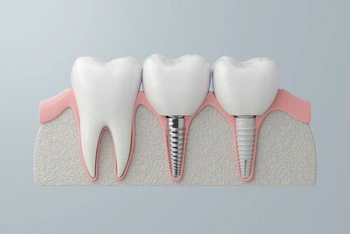
- Infection: Bacteria entering the implant site can lead to inflammation, swelling, and pain. This may require antibiotics or additional treatment.
- Nerve damage: Rarely, if a nerve is affected during surgery, it can cause sharp, persistent pain, tingling, or numbness in the gums or jaw.
- Implant failure: If the implant fails to bond with the jawbone, it can become unstable and cause discomfort. In these situations, additional assessment and treatment are required.
- Pressure from a dental crown: If a crown is placed too soon or incorrectly, it can put pressure on the implant and surrounding bone, leading to pain.
Always report ongoing or worsening discomfort to your dentist. Timely treatment can help avoid complications and maintain your dental health.
When to Contact Your Dentist
While mild discomfort is a normal part of recovery, certain symptoms require professional attention. Contact your dentist if you notice any of the following:
- Pain that worsens instead of improving after a few days
- Significant swelling or bleeding that does not subside
- Indicators of infection, including pus, fever, or a lingering unpleasant taste
- Numbness, tingling, or shooting pain in the jaw, gums, or lips
Your dentist can examine the implant site, check for complications, and recommend the most suitable course of action to support healing.
The Long-Term Benefits Make It Worth It
Although dental implant surgery can cause temporary discomfort, the long-term benefits far outweigh the short-term recovery. Once healed, dental implants serve the role of natural teeth, offering a reliable and durable solution for replacing missing teeth. They help preserve bone health, improve chewing ability, and restore confidence in your smile.
With good care, regular dental visits, and a consistent oral hygiene routine, most patients enjoy their dental implants for decades, often for life.
Final Thoughts
 Experiencing some level of dental implant pain after surgery is completely normal, but it shouldn’t stop you from enjoying the many benefits of this life-changing treatment. By following your dentist’s instructions, practising good oral hygiene, and using simple pain management techniques, you can support a smooth recovery and relieve discomfort effectively.
If you have any concerns about your healing or the level of pain you’re experiencing, don’t hesitate to contact Beyond 32 Dental at (02) 9158 6334 to book an appointment. Prompt care ensures your dental implant procedure delivers the results you expect: a healthy, functional, and confident smile.
Note: Any surgical or invasive procedure carries risks. Before proceeding, you should seek a second opinion from an appropriately qualified health practitioner.
References
Healthline. (2018, September 5). Early and late dental implant problems. https://www.healthline.com/health/dental-implant-problems
Healthdirect. (n.d.). Dental implant. https://www.healthdirect.gov.au/dental-implant
GoodRx. (n.d.). Popular over-the-counter pain relievers. https://www.goodrx.com/conditions/pain/popular-over-the-counter-pain-relievers?srsltid=AfmBOopfoG232Sf-9omBh1yJwyfISPf4IyUdOI8ShXbDyT4_SVAA6bqC
Cleveland Clinic. (n.d.). Oral hygiene: Brushing, flossing & more. https://my.clevelandclinic.org/health/treatments/16914-oral-hygiene




If you’re considering dental implants to restore your smile then it’s only natural to question whether the procedure will hurt, and what sort of dental Read more
Recent Comments